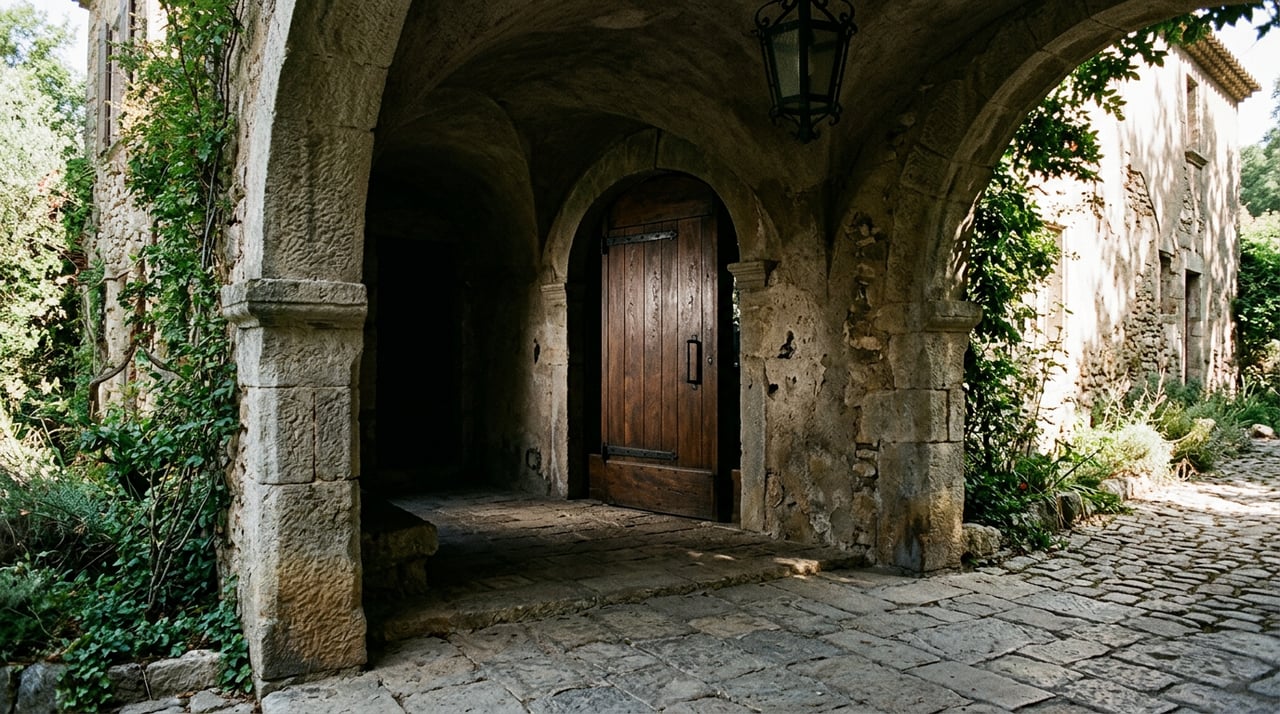
The Two Kinds of Land Under Cathedral City Homes
September 24, 2026
September 24, 2026
Pull up two Cathedral City listings side by side. Same square footage, same decade of construction, same drive time to Highway 111. One is priced forty or fifty thousand dollars below the other. Nothing in the photos explains it. The kitchens look the same. The pools look the same. The difference is usually sitting in a line of the listing agent's remarks that's easy to skim past: land lease.
That single phrase changes almost everything about what you're buying, what a lender will approve, and what your escrow timeline needs to account for. Cathedral City sits partly inside the checkerboard of land granted to the Agua Caliente Band of Cahuilla Indians back in 1876, and a real share of the city's housing stock, especially in its 55+ communities, sits on leased ground rather than land you'd own outright. Buyers comparing Cathedral City to Palm Springs or Rancho Mirage on price alone often assume they've found a citywide bargain. What they've actually found is a parcel-specific financial structure, and it comes with its own rules, its own risks, and its own paperwork that a fee-simple purchase never touches.
The pattern goes back to a 19th century railroad deal. When the federal government wanted the Southern Pacific Railroad built through the desert on its way from Los Angeles to Yuma, it granted the railroad alternating one-mile sections of land along the route. The government set aside the sections in between for the Agua Caliente Band of Cahuilla Indians, creating a literal checkerboard that still shapes property lines today. The reservation totals roughly 52,000 acres across the Coachella Valley, with a meaningful footprint in Cathedral City, Palm Springs, and Rancho Mirage.
Land inside that checkerboard is held in trust. If you buy a home built on one of those trust parcels, you're buying the structure and leasing the ground it sits on. According to the Bureau of Indian Affairs' Palm Springs Agency, which administers the reservation's leases, there are more than 7,600 residential subleases currently active across Palm Springs, Cathedral City, Rancho Mirage, and adjacent unincorporated Riverside County. This isn't a fringe arrangement. It's a standard part of how this corner of the desert was developed, and Cathedral City has its own working examples of it.
Sungate, a gated 55+ community off East Palm Canyon Drive in Cathedral City, is a clean illustration of how the math works. The community has 227 homes, and current listings show a land lease running roughly $96 to $110 a month alongside HOA dues of about $232 to $240 a month, with home prices ranging from the low $90,000s to the high $170,000s. Those numbers exist because the buyer isn't paying for the dirt. Industry estimates commonly place the discount for lease land at 10 to 30 percent below a comparable fee-simple property, which tracks with what a mobile home or manufactured home in a community like Sungate costs compared to a similarly sized fee-simple house nearby.
That discount is real value for the right buyer. A retiree who wants a low-maintenance 55+ setup and plans to stay ten or fifteen years can put real money back in their pocket. An investor running the numbers on a rental can get a better cash-on-cash return because the acquisition cost is lower. But the trade means the ground lease is a recurring obligation that never fully disappears the way a paid-off mortgage does, and it's worth treating as a distinct line item rather than folding it into "low cost of living."
Here's the part of lease land that catches people off guard years after closing: leases eventually come up for renewal, and how that renewal goes depends entirely on the individual landowner and the terms already on the books.
A July 2025 investigation by the CBS affiliate KESQ followed a Palm Springs community negotiating a lease renewal with an individual Agua Caliente landowner. That community's original 1977 lease was set to expire in 2042. The landowner's renewal proposal would have added an immediate $450 monthly increase on top of the $200 residents were already paying, with that new rate escalating 20 to 30 percent every five years, plus a $100,000 signing fee per unit due by year's end. A different community negotiating around the same era reached a very different outcome: Sunshine Villas renewed its lease through 2076 for a one-time fee of just $10,000, with the new monthly rate set at $662 once the new term begins in 2042.
Those two outcomes sat a few miles apart and produced wildly different math for homeowners. The lesson for a Cathedral City buyer isn't that renewals are always bad. It's that every lease is its own negotiation with its own landowner, and the terms on a 30-year-old lease tell you very little about what happens when it comes up again.
| Fee Simple | Lease Land | |
|---|---|---|
| What you own | Structure and land | Structure only |
| Typical price relative to comparable fee land | Baseline | 10-30% lower |
| Recurring cost beyond property tax | None | Annual or monthly land lease payment |
| Standard 30-year mortgage | Generally available | Subject to lender requirements |
| Long-term risk | Market risk only | Market risk plus lease renewal terms |
Lenders generally have requirements for ground leases when considering a standard mortgage.
There's also a closing-process step that doesn't exist on a fee-simple transaction. Transfers on trust land require an application through Agua Caliente's Trust Services department for review before the sale can be finalized. Standard processing runs about ten business days, with rush processing available in some cases. That's a real number to build into your escrow calendar, not an afterthought. It's also worth knowing that the Agua Caliente Band of Cahuilla Indians updated its Trust Services fee schedule effective January 1, 2026, under Resolution 54-25, covering residential leasing, land title recording, and rights-of-way processing. Fees on lease-land transactions can shift, so confirming current numbers with Trust Services or an experienced local lender before opening escrow is worth the phone call.
None of this makes lease land a bad buy. For a downsizing 55+ buyer planning to stay put for a decade, or an investor pricing a rental against a specific holding period, the lower entry cost can outweigh the ongoing lease payment by a wide margin. What it does mean is that a lower Cathedral City price tag isn't automatically a citywide value story. Sometimes it's the city. Sometimes it's the parcel. The only way to know which one you're looking at is to ask, in writing, whether the property is on fee land or lease land, how many years remain if it's the latter, and what the escalation terms look like when that lease comes up again.
Is lease land a red flag? No. It's a different ownership structure with its own economics, and thousands of Coachella Valley homeowners live comfortably on it. The key is understanding the terms before you commit, not discovering them at appraisal.
How do I find out if a specific Cathedral City home is on lease land? The fastest way is to ask before you write an offer. A local lender or escrow officer experienced with Agua Caliente lease transactions can confirm it quickly.
Does the lease payment ever go down? Not typically. Most leases include a scheduled increase, either on a fixed timeline or tied to inflation, so budgeting for a higher payment down the road is the safer assumption.
If you're weighing a Cathedral City listing against something in Palm Springs or Rancho Mirage and the price gap has you curious rather than confident, that's exactly the kind of question worth a real conversation before you tour. The Read Group knows which Cathedral City communities sit on fee land, which sit on lease land, and how to read a specific lease before it becomes a surprise at underwriting. Request a Free Home Valuation and let's look at the actual numbers together.
This article is general information, not legal, tax or financial advice. Consult a qualified professional about your situation.
Stay up to date on the latest real estate trends.

Whether you are new to the desert market, contemplating selling your home, or are a savvy investor, The Read Group has the know-how, resources, and determination to get the job done successfully for you, Work with Read Group Real Estate now!