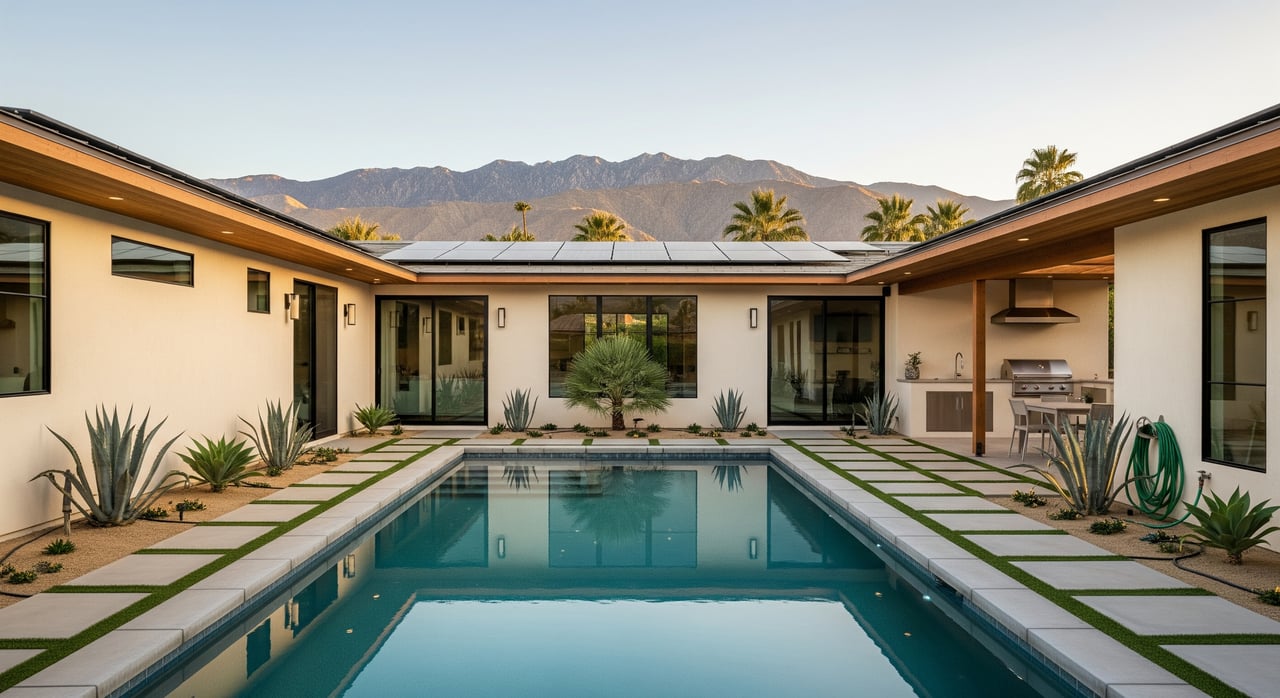
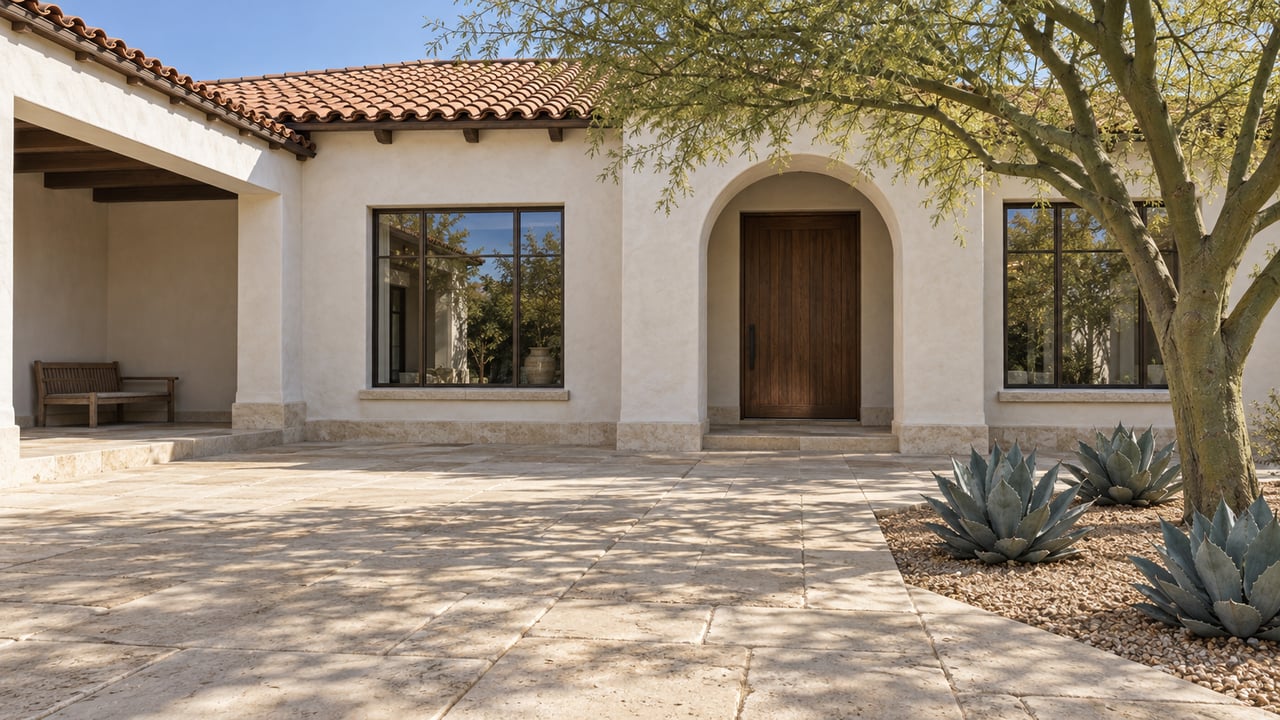
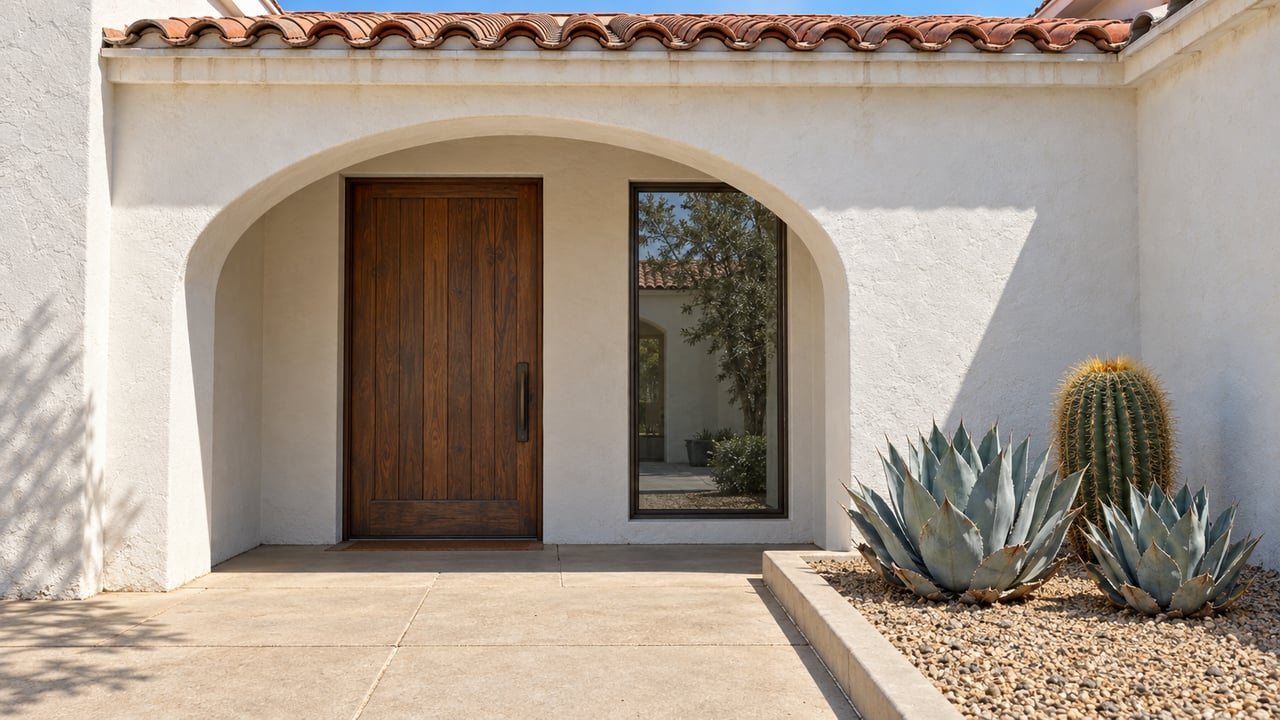
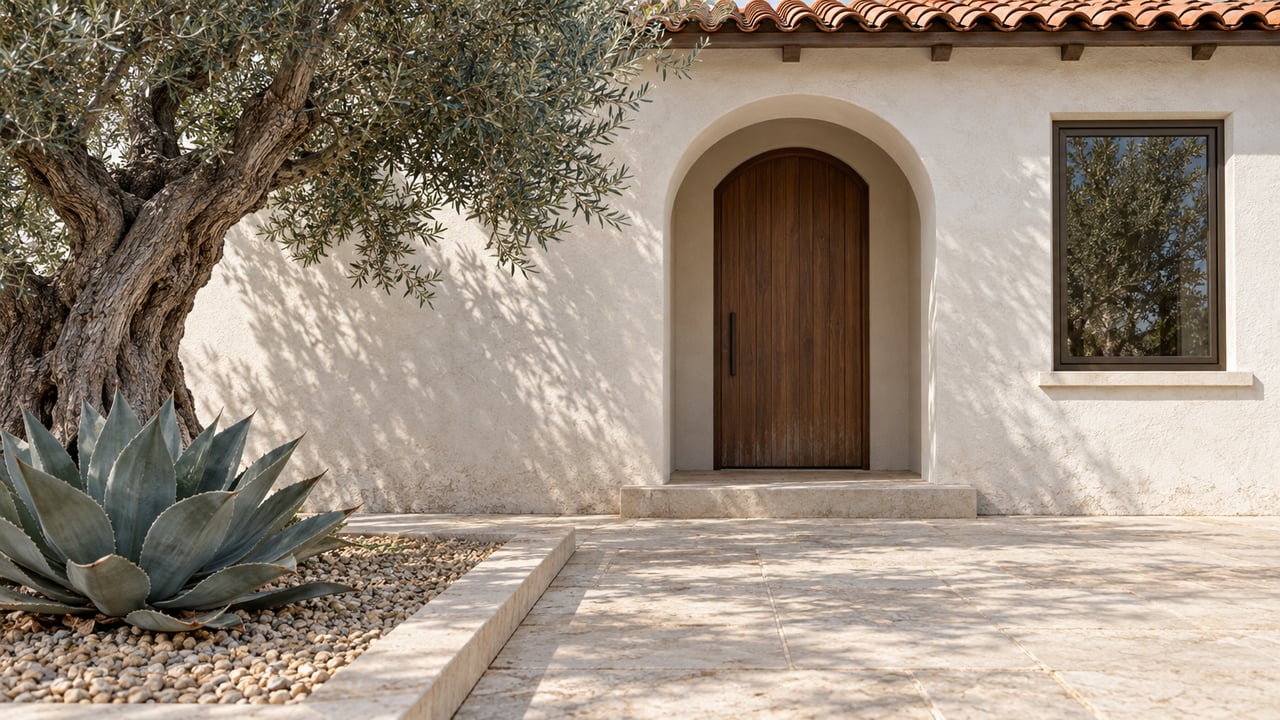
Is your Palm Desert home ready for heat, wind, and surprise storms this year? In the Coachella Valley, the climate works your systems harder than most places, from nonstop AC use to high UV exposure and dust. With a clear plan, you can prevent costly breakdowns, protect finishes, and keep your home comfortable and efficient all year. Below, you’ll find a seasonal checklist tailored to Palm Desert plus system tips and vendor guidance you can use today. Let’s dive in.
Why desert homes need a plan
Palm Desert’s hot, dry summers, mild winters, and occasional monsoonal storms create unique maintenance needs. Long stretches above 100°F stress HVAC systems. UV exposure fades paint and fabrics and can crack sealants. Dust and wind can clog filters and equipment. Evaporation impacts both pools and irrigation, and heavy winds can shift roof tiles or break irrigation heads. A seasonal routine keeps you ahead of these conditions and helps avoid rush repairs in peak heat.
Quick-start checklist by season
Year-round essentials
- Replace or clean HVAC filters every 1–3 months; increase frequency after dust events.
- Keep the outdoor AC unit clear by 2–3 feet and brush off dust, webs, and debris.
- Check for leaks under sinks, around the water heater, and at irrigation manifolds.
- Test smoke and CO alarms monthly; replace batteries annually or per manufacturer.
- Schedule quarterly pest checks for rodents, termites, ants, and scorpions.
- If you are a second-home owner, consider service agreements for HVAC and pools.
Spring setup
- Schedule a professional HVAC tune-up before the hottest months. Ask for coil cleaning, refrigerant checks, duct inspection, and thermostat testing.
- Inspect and tune the irrigation system. Repair drip lines and spray heads, reset the controller, and schedule required backflow testing if applicable.
- Walk the roofline to spot cracked or slipped tiles and damaged flashings. Address hairline stucco cracks and seal penetrations.
- Service the pool. Check the pump, filter, heater, and chlorination. Inspect coping and deck for cracks and confirm automatic water levelers work.
- Re-caulk windows and doors to reduce dust intrusion and prevent storm water entry.
- Check awnings, shade sails, and window shades for UV wear and replace damaged fabric.
- Clean the dryer vent and clear landscape debris to reduce pests and fire risk.
Summer protection
- Monitor AC performance daily during heat waves and swap filters more often if dust storms roll through.
- Maintain pool chemistry and watch for algae after windy days. Run pumps during cooler parts of the day to reduce equipment stress.
- Adjust irrigation for high heat while staying within local watering rules. Shorter, more frequent cycles can reduce runoff.
- Secure outdoor furniture before monsoon season. Clear roof drains and yard swales to prevent ponding.
- Plan big outdoor jobs for early morning or evening and follow heat safety guidance.
Fall tune-ups
- Schedule an HVAC check to confirm efficient operation and clear condensate drains.
- Prepare the pool for lower use. Consider a winter cover, keep circulation steady, and plan service if you will be away.
- Inspect hardscape for settling and cracks. Re-seal pavers and concrete edges as needed.
- Use cooler, dry weather for exterior painting or stucco repair.
Winter watch
- After any rain, clear scuppers and roof drains. Check flat roofs for ponding.
- Keep pool equipment running on a lighter schedule and test heaters if used.
- Inspect for rodent activity in attics, wall voids, and under decks.
- Schedule solar panel cleaning and a basic electrical check during cooler months.
Systems to prioritize in Palm Desert
HVAC and indoor air quality
Cooling is your biggest ongoing need. Desert dust and long runtimes can clog coils and strain motors. Typical failure points include refrigerant leaks and worn capacitors during heavy use. Seasonal professional tune-ups, frequent filter changes, and keeping the outdoor condenser clean help prevent outages. Consider MERV 8–11 filters for most homes. If you are sensitive to dust or away for long stretches, ask your HVAC pro about whole-house filtration or UV options that fit your system.
Key actions:
- Replace filters every 1–3 months, or more often after dust storms.
- Clean condenser fins and ensure 2–3 feet of airflow clearance.
- Verify condensate drains are clear to avoid water damage.
- Document service dates and any parts replaced for warranty records.
Water systems, plumbing, and water quality
Hard water can create mineral scaling in fixtures and appliances. Irrigation components wear faster in sun and wind. Backflow prevention devices often require periodic testing under local water rules. To keep systems healthy, flush water heaters per the manufacturer, inspect for corrosion, and test pressure relief valves. For irrigation, install efficient controllers and maintain drip lines, especially near foundations to reduce pests.
Key actions:
- Flush water heaters and check anode rods as recommended by the manufacturer.
- Inspect under sinks and at manifolds for mineral buildup and slow leaks.
- Keep backflow test certificates on file and irrigation schedules updated.
Roofs, stucco, and exterior finishes
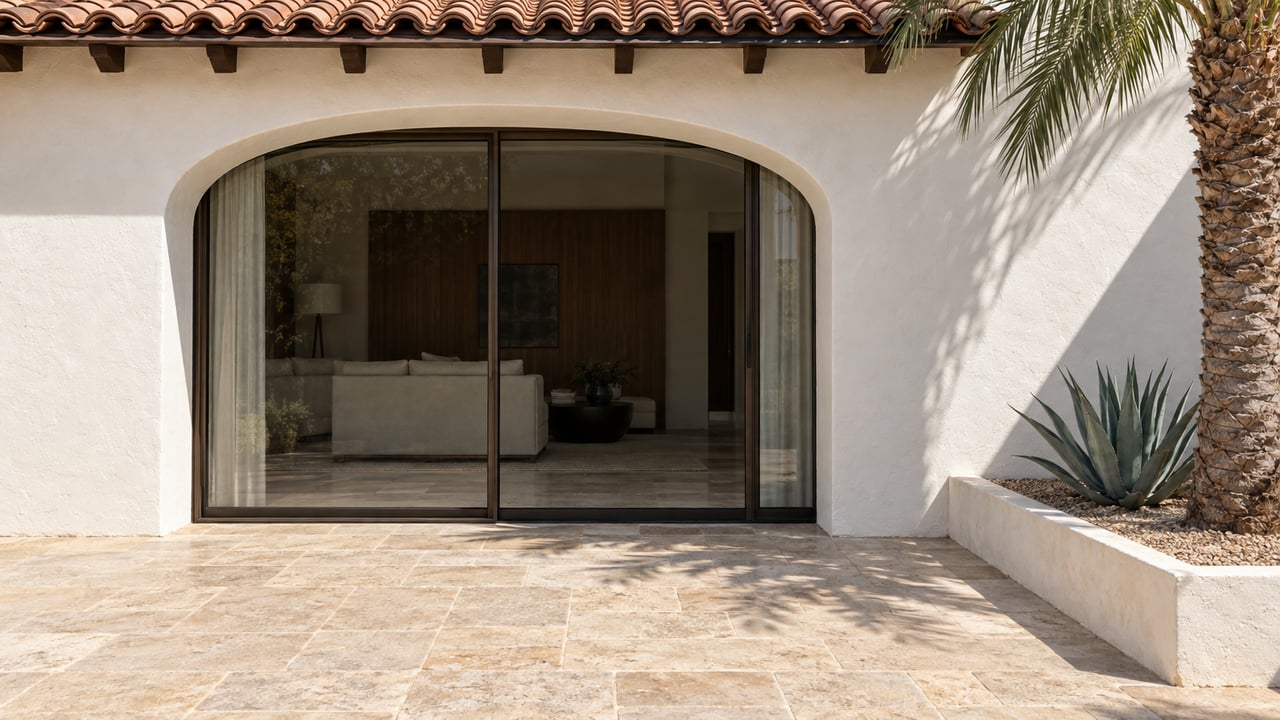
UV, thermal cycling, and wind can crack stucco and damage roof components. Tile roofs are durable, but high winds can shift or break tiles. Flat roof areas and parapets need clear drainage to avoid ponding during rare heavy rains. Address small stucco cracks early to maintain weather resistance and appearance.
Key actions:
- Inspect the roof after wind events and at least each spring and fall.
- Replace broken tiles and repair failing flashings around penetrations.
- Seal hairline stucco cracks and refresh exterior coatings as needed.
Pools and spas
Pools are central to desert living, and they face high evaporation, wind-blown debris, and scaling from hard water. Regular chemistry checks and proper pump run time keep water clear and equipment healthy. If you own a second home, consider a service plan that includes pre-arrival checks and remote updates. Automatic levelers and covers can reduce evaporation.
Key actions:
- Test chemistry weekly in summer and adjust after wind events.
- Inspect filters, pumps, and heaters seasonally.
- Maintain pump schedules suited to your pool volume and climate.
Hardscape, pavers, and decking
Sun and temperature swings can fade sealed surfaces and loosen paver joints. Irrigation and settling can create cracks or uneven spots. Re-sand and re-seal on a routine cycle to preserve appearance and safety.
Key actions:
Re-sand paver joints annually or after major storms.
Re-seal concrete or pavers every few years per product guidance.
Repair cracks and reset uneven pavers before tripping hazards develop.
Exterior electrical, solar, and shielding
High heat and UV exposure can degrade exterior fixtures, conduit, and seals. Solar panels collect dust that reduces output. Annual cleaning and a simple check of outdoor GFCIs, cover plates, and junctions can prevent moisture intrusion and performance loss.
Key actions:
- Clean solar panels and inspect mounts and wiring annually.
- Replace weathered outlet covers and confirm GFCIs trip properly.
- Verify any battery backup systems are tested and documented.
Pest and rodent management
Scorpions, rodents, ants, and termites are part of desert life and often follow irrigation to find moisture. Focus on prevention near the home’s perimeter. Keep vegetation trimmed back, reduce ground cover at the foundation, and avoid overwatering close to walls.
Key actions:
- Schedule periodic inspections with a licensed pest professional.
- Seal gaps at utility penetrations and under door sweeps.
- Store firewood and debris away from structures.
Irrigation, water rules, and backflow basics
Local water agencies promote conservation and may set seasonal watering rules. Many require backflow prevention on irrigation systems with periodic testing. Before adjusting major irrigation components, confirm current rules with the local water district. Use efficient controllers with weather or moisture sensors and fine-tune schedules by season. After storms or high winds, walk the yard to find broken heads, leaking drip lines, or clogged emitters. Keep your backflow test certificates and controller schedule in your home records.
Smart scheduling and safety
Plan heavy outdoor work for spring or fall when temperatures are moderate. Avoid roof and exterior projects during peak summer heat. If storms are forecast, secure furniture, shade structures, and umbrellas. After storms, check roof drains, scuppers, and low spots for debris and ponding. If your property borders natural brush or palms, ask the local fire authority about creating defensible space and trimming practices that reduce fuel.
Hiring and managing local vendors
Having a reliable local team simplifies ownership, especially if you are out of town for part of the year.
Recommended vendor categories:
- HVAC service and replacement contractor
- Licensed pool service and repair
- Irrigation and landscape contractor familiar with local water rules
- Roofing contractor for clay or concrete tile and flat roofs
- Stucco and exterior painting contractor
- Pest control for scorpions, termites, and rodents
- Licensed plumber for water heaters and leak repairs
- Solar maintenance or installer
- Hardscape and concrete contractor
- Licensed electrician
- General contractor or handyman for small projects
What to ask before you hire:
- Are you licensed and insured, and can you provide certificates of liability and worker’s compensation?
- Do you have references in Palm Desert and experience with desert conditions?
- Will the work require permits, and who will obtain them?
- Can you provide a written estimate, warranty terms, and a maintenance plan with frequency and cost?
- For recurring services, do you offer remote updates or scheduled checks while I am away?
Documents to collect and keep:
- Proof of contractor license and insurance
- Written estimates, scope of work, and change orders
- Permit records and final inspections for major work
- Warranty documents and maintenance logs
- Backflow test certificates and irrigation schedules
- Equipment model and serial numbers for HVAC, pool, water heater, and solar
If you are a second-home owner
Set up a cadence that protects your property while you are away:
- Enroll in HVAC and pool maintenance plans with documented visits.
- Ask your landscape contractor to report leaks, broken heads, or pooling water.
- Schedule pre-arrival checks for HVAC, pool, and cleaning so the home is guest-ready.
- Use smart thermostats, irrigation controllers, and cameras to monitor conditions.
- Keep a shared folder with service invoices, photos, and checklists for easy tracking.
A little planning in spring and fall pays off all year. With the right service partners, your Palm Desert home stays efficient, comfortable, and ready for the season ahead.
If you want a local perspective on vendors, seasonal timing, or preparing your home for market, reach out to Mike Read for tailored guidance and trusted introductions.
FAQs
How often should I service my HVAC in Palm Desert?
- Schedule professional tune-ups at least twice a year, in spring and fall, and replace filters every 1–3 months or more often after dust events.
What irrigation steps matter most in the Coachella Valley?
- Inspect drip lines and spray heads each spring, adjust seasonal schedules to meet local rules, and keep backflow testing current with certificates on file.
How do I protect a tile roof from wind damage in Palm Desert?
- Inspect after wind events and each spring and fall, replace broken or shifted tiles, and repair flashings and sealants before the next storm.
What are the top pool maintenance tips for summer heat?
- Test water weekly, increase filtration during high use, monitor for algae after windy days, and use a cover or leveler to reduce evaporation.
What documents should I keep for maintenance and repairs?
- Save contractor license and insurance proof, permits and inspections, warranties, maintenance logs, and backflow test certificates.
How can second-home owners keep a Palm Desert property ready?
- Use service plans for HVAC and pools, set smart monitoring, schedule pre-arrival checks, and keep shared records of visits and photos.