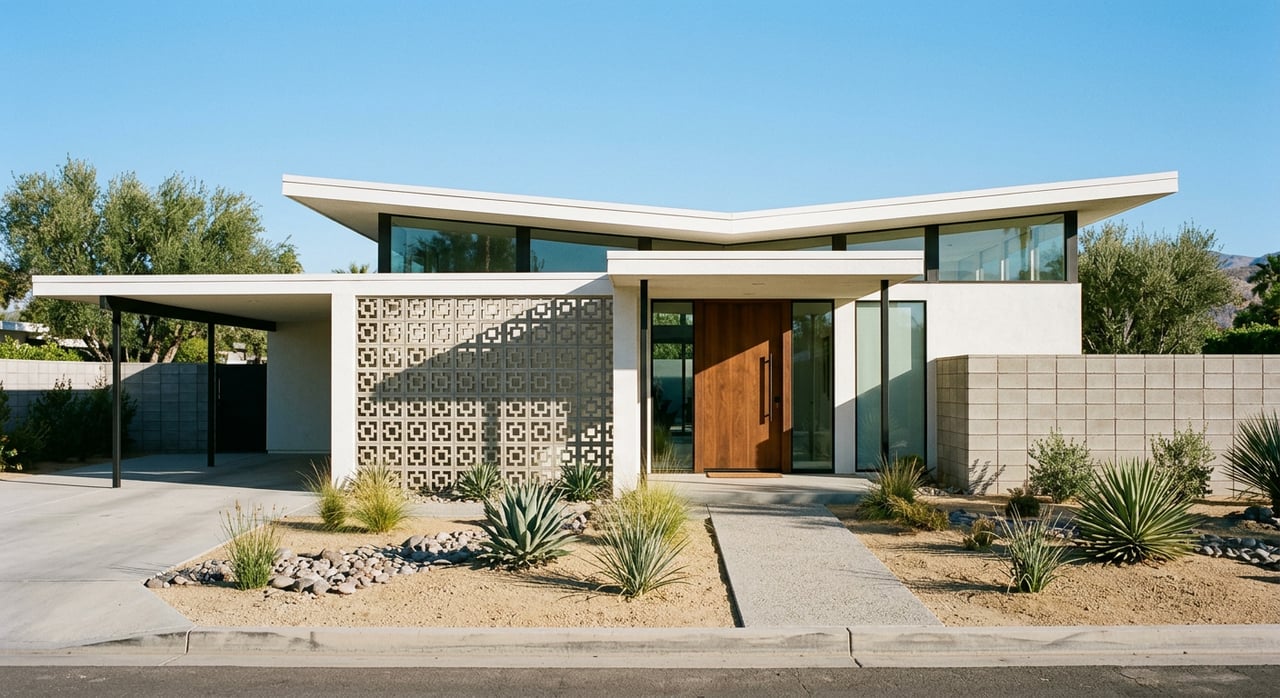
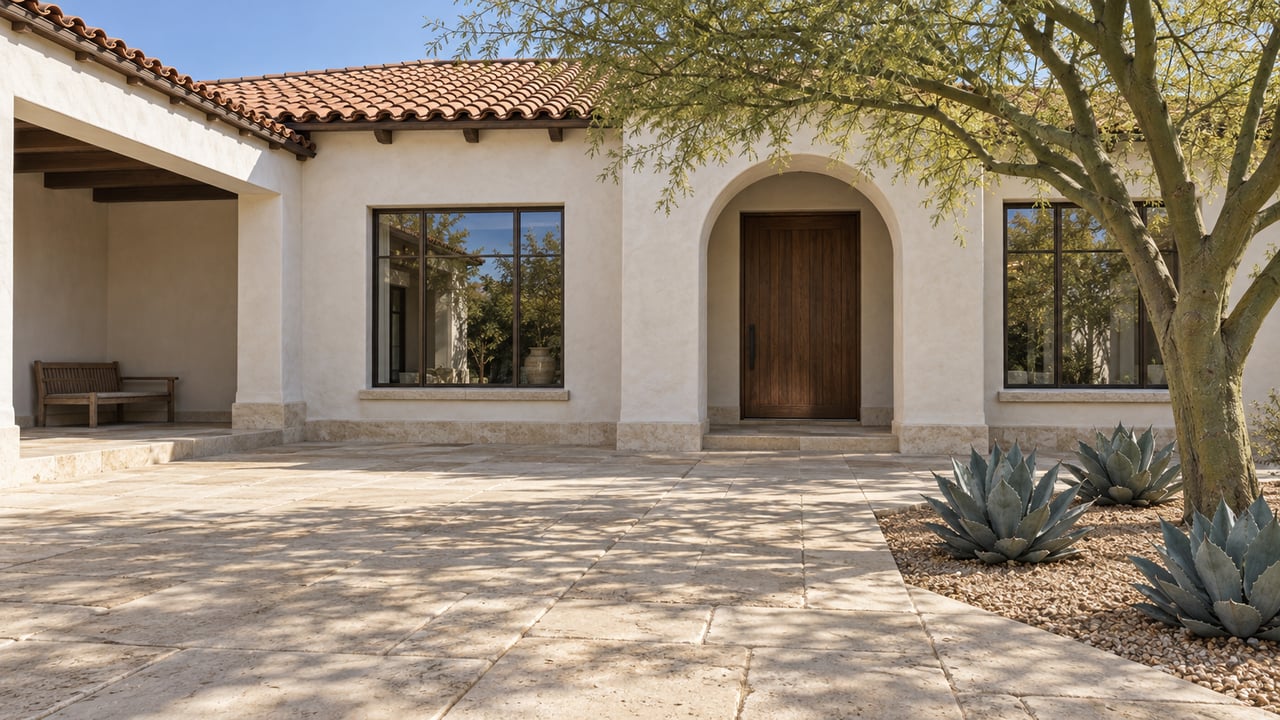
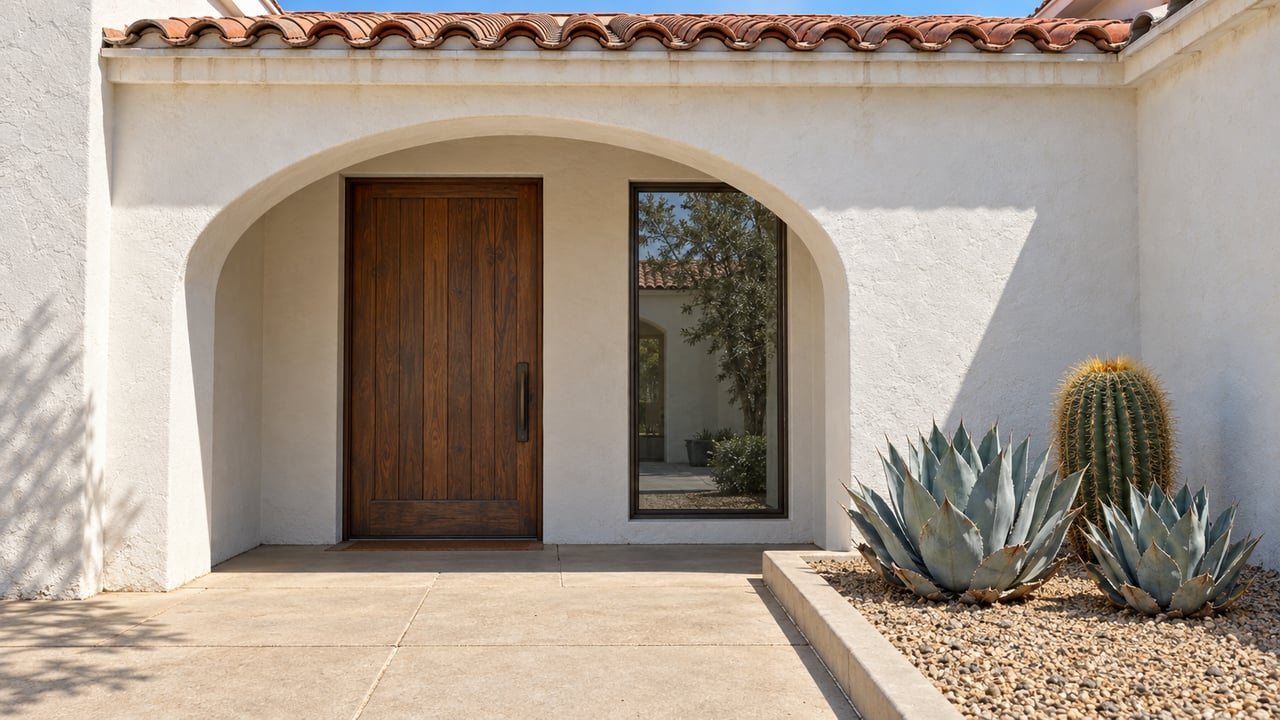
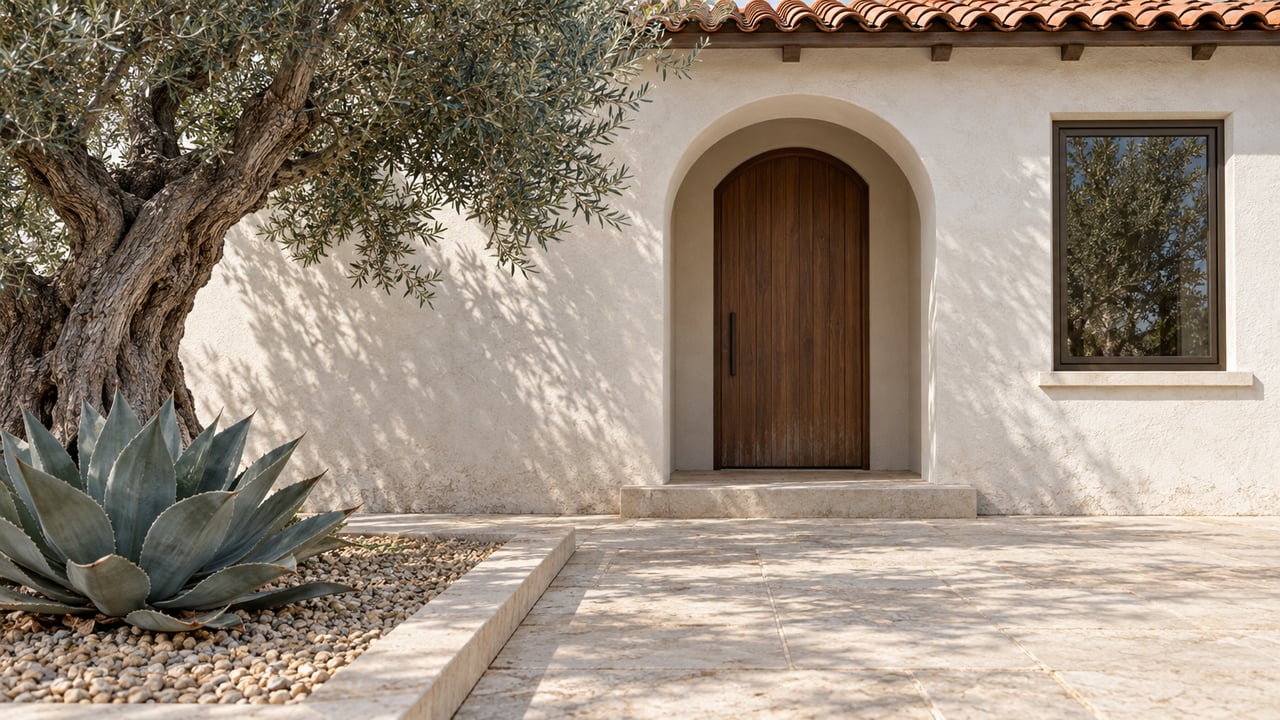
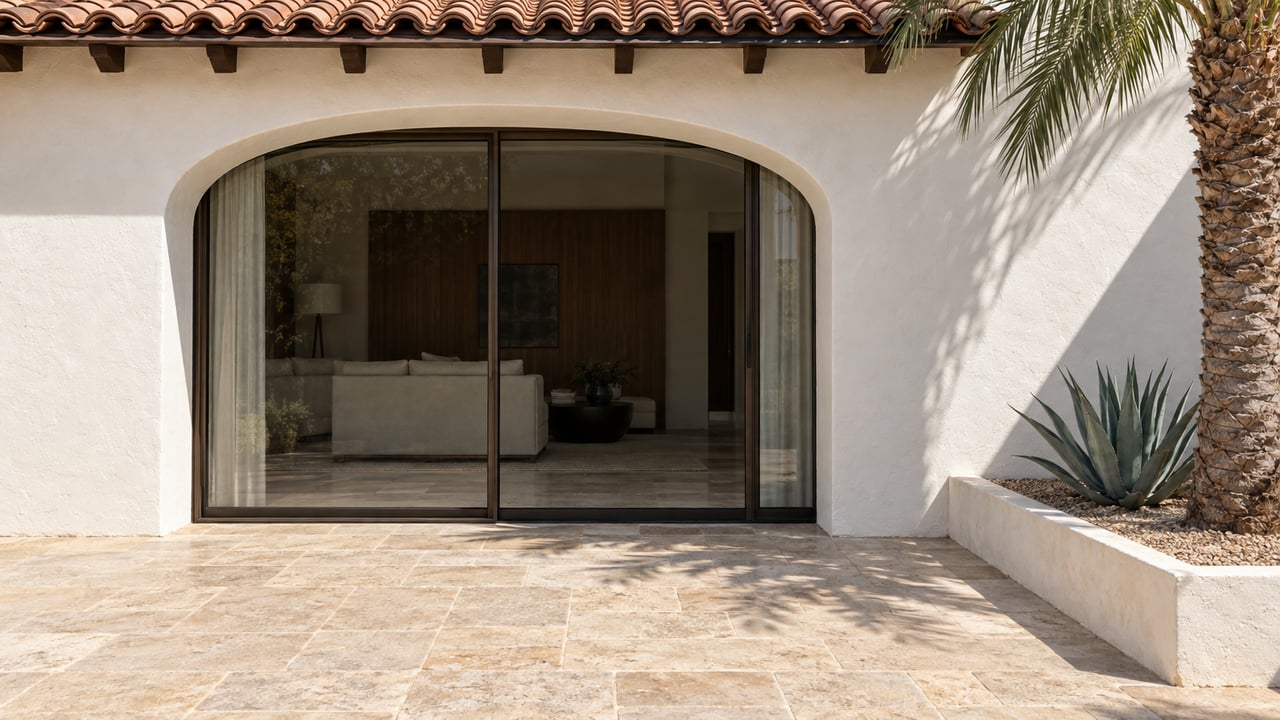
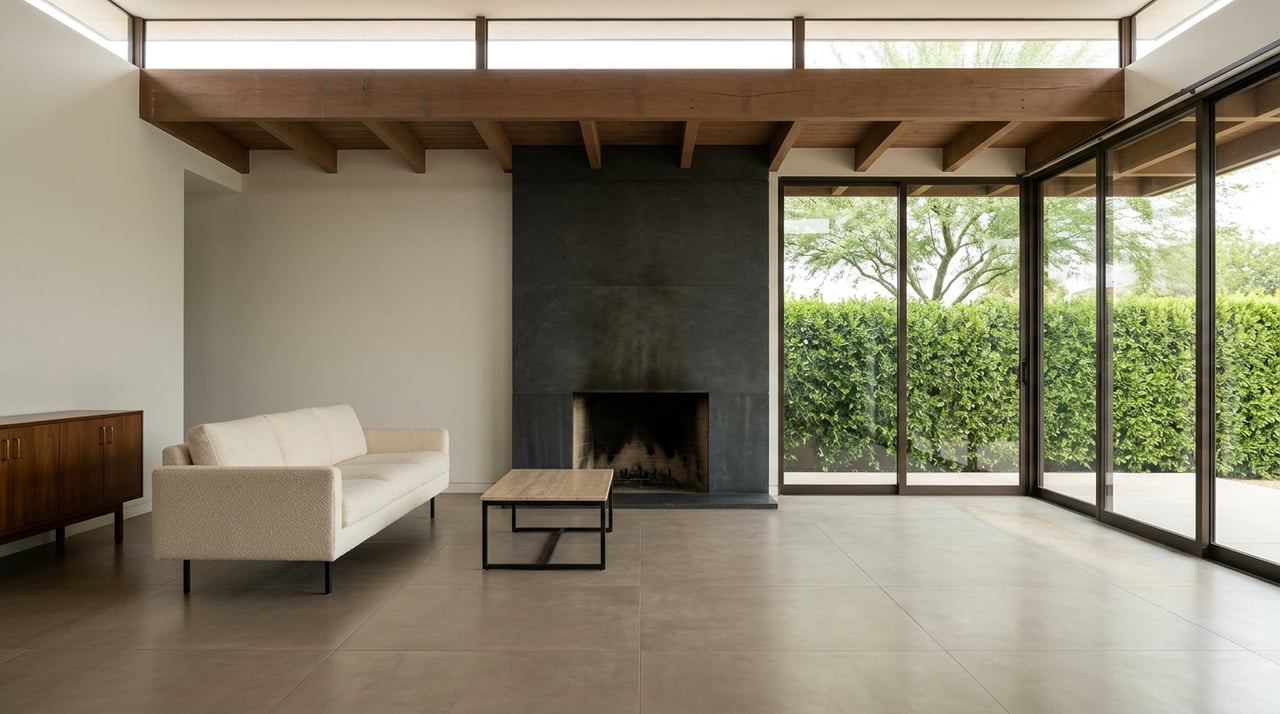
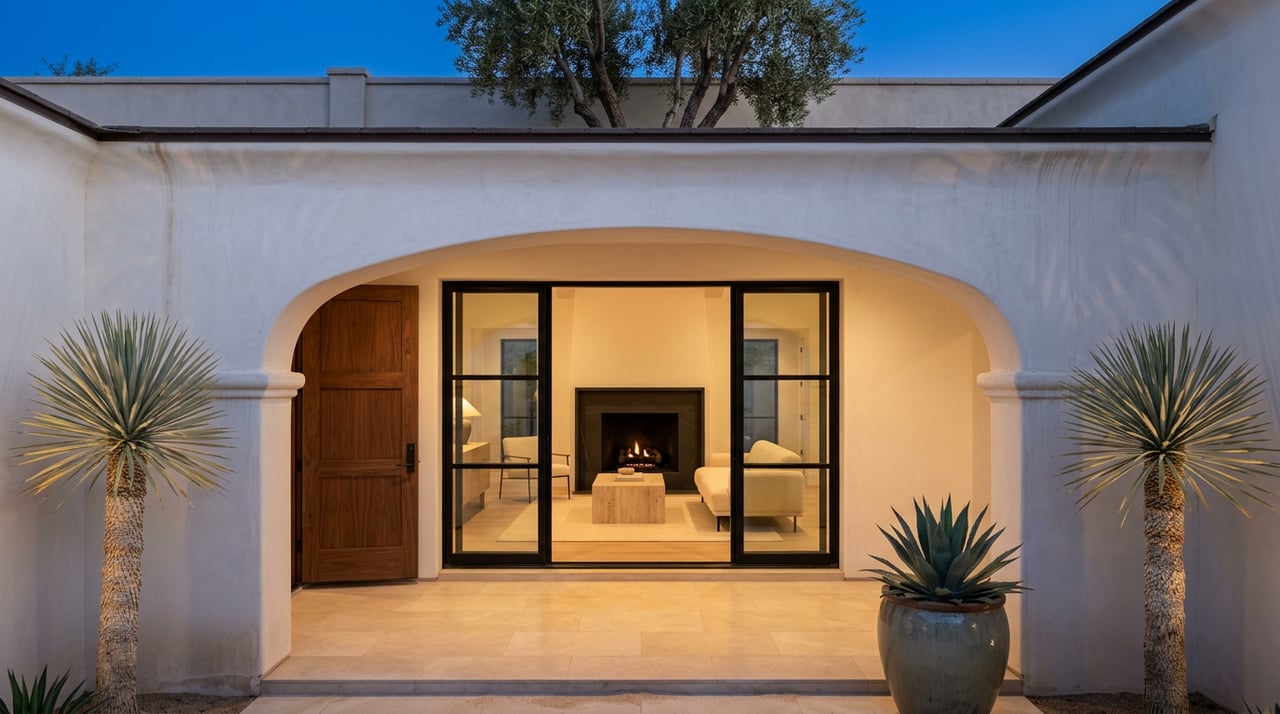
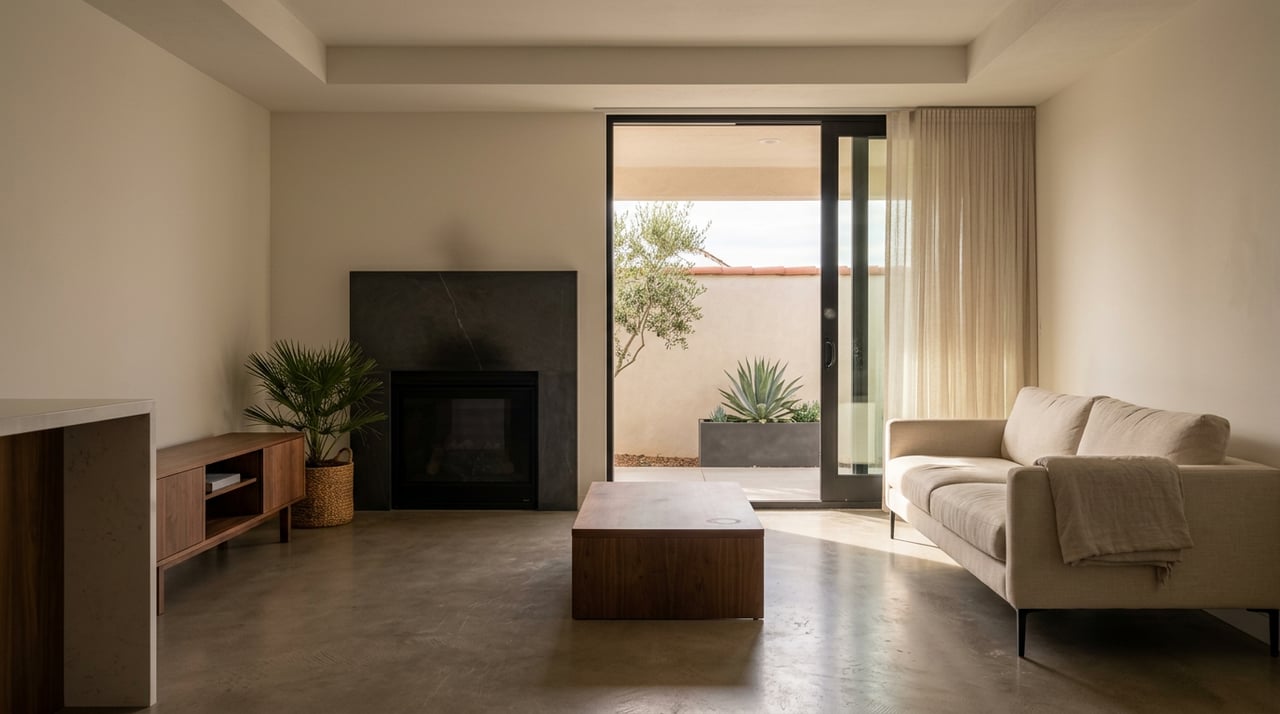
Love the look of butterfly roofs, breeze blocks, and glass that pulls the mountains right into your living room? If you’re dreaming of a Palm Springs mid‑century or desert‑modern home, you’re in good company. Many buyers come for the architecture and stay for the lifestyle of sun, pool time, and easy indoor‑outdoor living. In this guide, you’ll learn what to look for, where to shop, and how to protect your investment in this design‑rich market. Let’s dive in.
Why Palm Springs draws design lovers
Palm Springs is one of the world’s best collections of mid‑century and desert‑modern homes. Modernism Week and year‑round tours put hundreds of architecturally significant properties on display, making it easier to learn, compare, and buy with confidence. If you want a fast education, start with Modernism Week’s events and tours.
The appeal goes beyond style. Desert‑modern design celebrates the landscape: long rooflines for shade, glass walls for views, and pools and patios that turn the backyard into your living room. To get a feel for the design lineage and why it lives so well here, read this overview of desert modernism in Greater Palm Springs.
Market context also helps set expectations. Local reporting shows the post‑pandemic market has moved toward a more balanced phase, with prices holding and inventory and days on market normalizing. That can influence timing and negotiation strategy, especially for second‑home buyers. See the Greater Palm Springs market summary for the latest local context.
What you’re paying for: Key features
Mid‑century and desert‑modern homes share signature elements that often drive value:
- Low or butterfly rooflines with deep overhangs for shade.
- Post‑and‑beam structure, exposed ceilings, and wide sliders.
- Floor‑to‑ceiling glass and clerestory windows that frame views.
- Breeze blocks, simple materials, and minimal ornament.
- Integrated pools, patios, and outdoor rooms.
If you love authentic details, intact original elements can be a premium. For a quick primer on hallmark features, skim this piece on Palm Springs mid‑century characteristics.
Know the names: Architects and builders
A few names come up again and again in Palm Springs:
- William Krisel and the Palmer & Krisel firm designed iconic tract homes built by the Alexander Construction Company across multiple neighborhoods.
- Donald Wexler explored steel‑panel construction and crisp, experimental forms.
- Albert Frey and E. Stewart Williams produced high‑profile custom work and noted estates.
Knowing the architect or builder helps you understand typical construction, original systems, and what matters most to preserve.
Preservation rules that affect value
Palm Springs has a robust preservation framework. The city’s Historic Site Preservation Board (HSPB) designates properties in three classes and oversees proposed exterior changes to designated resources. If a home is historic, certain updates may require review or a Certificate of Appropriateness. You can review the program and process on the City of Palm Springs HSPB page.
Some properties may also be eligible for a Mills Act historic‑property agreement, which can offer property‑tax incentives in exchange for preservation commitments. Definitions and local rules are outlined in the municipal code. If you plan to alter exterior features, factor review timelines into your purchase and renovation schedule.
Where to look: Neighborhood snapshots
Palm Springs is highly neighborhoodized. Prices and character can shift street by street. Here are areas many mid‑century and modern buyers explore:
- Vista Las Palmas. Known for Palmer & Krisel tract homes and several noted properties. Higher price points and a focus on architectural integrity.
- Twin Palms. A classic Alexander tract with many 1950s pool homes. You’ll find authentic MCM details and a true Palm Springs look.
- Racquet Club Estates. Popular for Krisel designs, larger lots in places, and proximity to downtown.
- Movie Colony and Old Las Palmas. Custom estates and larger lots, with a mix of periods and architectural styles.
- The Mesa and Indian Canyon corridors. Smaller inventory and many architect‑designed homes, including hillside properties with dramatic views.
- Deepwell Estates, Warm Sands, and Midtown. Good options if you want charm, varied lot sizes, and a range of price points.
Two similar‑looking homes can trade at different prices across tracts because of lot size, documented architect, and historic status. Always compare recent neighborhood comps and confirm details before you offer.
Renovation and maintenance: Desert realities
Hot, dry summers and intense sun shape how these homes age and how you should renovate. The desert climate brings higher cooling loads and faster wear on exposed materials. For seasonal weather data, review the Palm Springs airport climate snapshot.
- Windows and glass. Many originals are single‑pane in steel or aluminum frames. Upgrading to thermally improved glazing or carefully restoring frames improves comfort, but do it in a way that preserves slim sightlines.
- Roofs and drainage. Low‑slope and butterfly roofs need tight drainage design and membrane maintenance. Leaks often stem from clogged scuppers or aging membranes.
- HVAC and electrical. Older homes were not built for today’s cooling expectations. New ducting or mini‑splits, larger condensers, and panel upgrades are common. Plan routing that respects exposed beam ceilings.
- Pools and water use. Equipment replacement, replastering, and leak repairs are routine. Water rules and drought guidance may affect how you maintain or refill a pool. Check current programs with the Coachella Valley Water District, including turf‑conversion and smart‑controller rebates.
Health and safety: What to test
Many homes built before 1978 may contain lead‑based paint. If you plan to renovate, learn the EPA rules for safe work practices and certified contractors under the Renovation, Repair and Painting (RRP) program.
Mid‑century homes can also include asbestos in materials like floor tiles, mastics, pipe insulation, or roofing. Only licensed professionals should test and abate. Read the EPA’s guidance on asbestos in homes and renovations.
Termites are common throughout Southern California. A thorough wood‑destroying organism inspection helps uncover concealed damage and treatment needs. The University of California offers a technical overview of termite types and behavior.
Permits, historic review, and unpermitted work
Before you buy, verify the home’s designation status, permit history, and whether prior remodels were permitted. If the property is historic or in a district, plan for HSPB review of exterior changes. You can start with the city’s historic resources page.
Smart due diligence with your agent
A detail‑driven agent can reduce risk and protect value. Here is a practical checklist to build into your search and escrow:
- Confirm provenance and designation. Check HSPB records for Class 1, 2, or 3 status and any Mills Act agreements. Obtain any rules and review timelines up front. Start at the HSPB portal.
- Seller disclosures and recent‑seller rules. In California, sellers typically provide a Transfer Disclosure Statement early. Late delivery creates a brief rescission right. If the seller is a recent resell within 18 months, expanded disclosures under AB 968 may apply. Read this disclosure checklist overview and the AB 968 summary from the Blake Law Firm.
- Specialized inspections. Beyond the general inspection, add WDO/termite, roof or structural engineer for low‑slope roofs, pool inspection, HVAC load review, and hazardous‑materials sampling for pre‑1978 homes. The UCR termite guide and EPA RRP pages explain why these matter.
- Permit and scope audit. Order a city permit history and collect seller documentation for all renovations. If you find significant unpermitted work, adjust price or require remedy.
- Appraisal and lending. Choose an appraiser experienced with historic and architecturally significant homes. Provide any designation or Mills Act documentation to support valuation and tax considerations. The municipal code helps outline definitions.
- Preservation timing. If you plan exterior changes, include a contingency for HSPB approval and cushion for hearing schedules.
- Learn fast on the ground. Tours during Modernism Week and year‑round architecture tours help you compare tracts, architects, and layouts before you write.
How we help out‑of‑area buyers
Buying a design‑forward home from afar takes local advocacy and tight execution. With a concierge, full‑service approach, we help you:
- Shortlist the right neighborhoods based on architecture, lot feel, and your renovation appetite.
- Verify provenance, pull permit histories, and coordinate specialized inspections with trusted local pros.
- Structure offers and timelines around preservation rules, appraisals, and travel schedules.
- Manage escrow details end to end so you can focus on the fun part: how you will live in the home.
If you want a thoughtful guide to Palm Springs mid‑century and modern homes, we are ready to help. Connect with Mike Read to start a focused search and tour homes that fit your vision.
FAQs
What makes a Palm Springs mid‑century home valuable?
- Authentic features like post‑and‑beam structure, clerestory windows, breeze blocks, and intact floor plans often drive value. Provenance, lot setting, and any historic designation also matter.
How do historic designations affect renovations in Palm Springs?
- Designated homes may require HSPB review for exterior changes and a Certificate of Appropriateness. Start with the city’s HSPB resources to understand scope and timing.
What inspections should I add for a mid‑century home?
- Beyond the general inspection, plan for WDO/termite, roof or structural review for low‑slope roofs, pool inspection, HVAC load assessment, and lead/asbestos testing for pre‑1978 homes.
Can I replace windows in a historic mid‑century house?
- Often yes, but details matter. Use slim profiles or restoration approaches that preserve sightlines, and obtain approvals if the home is designated. Learn the basics of safe lead work under the EPA RRP rule.
How do drought rules affect pools and landscaping in Palm Springs?
- Water‑use guidance can shape refill and maintenance choices, and rebates are available for turf removal and smart irrigation. Check current programs with the Coachella Valley Water District.
What is Modernism Week and why should buyers attend?
- It is a festival of architecture and design with tours, talks, and open houses that help you compare neighborhoods and learn quickly. Explore events on the Modernism Week site.