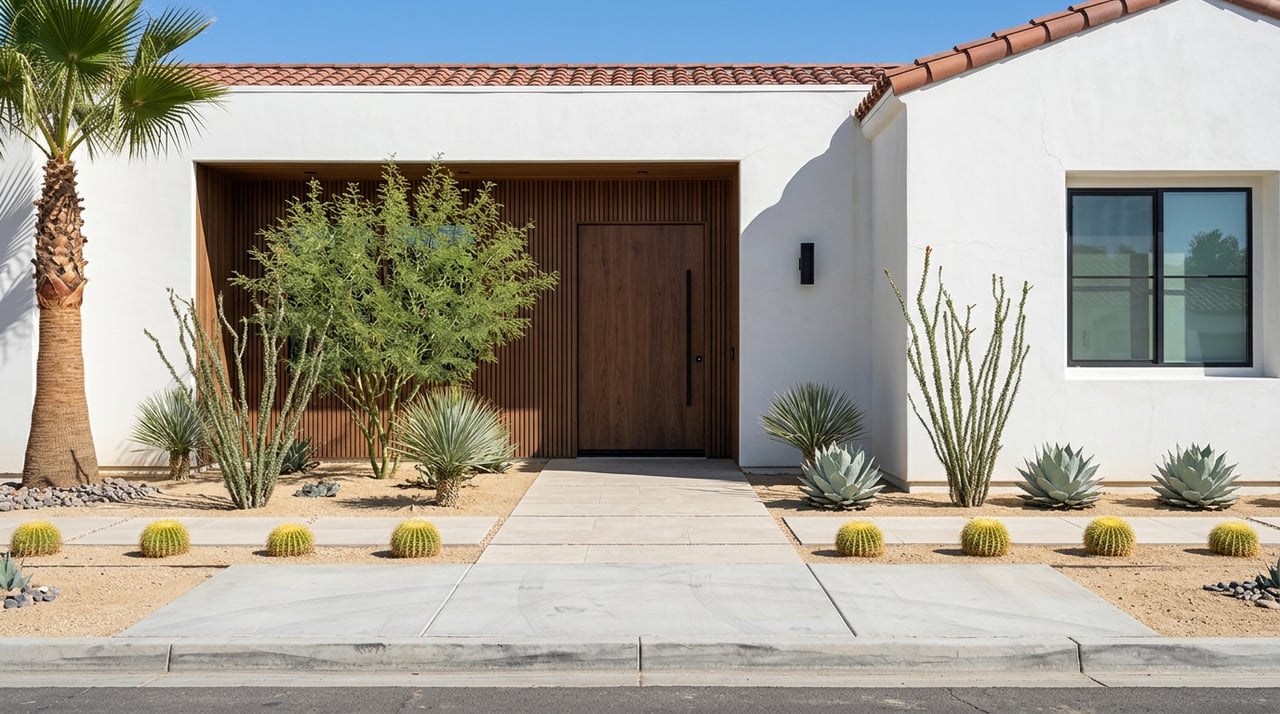
Indio New Construction vs Resale Homes: What to Know
April 2, 2026
April 2, 2026
If you are trying to decide between a brand-new home and a resale home in Indio, you are not alone. It is one of the most common questions buyers ask, especially in a market with active development and a wide range of existing neighborhoods. The right choice depends on your timeline, budget, comfort with maintenance, and how you want your monthly costs to look after closing. Let’s dive in.
Indio remains an active, mid-priced market in the Coachella Valley. According to Redfin’s Indio housing market data, the median sale price was $542,000 in February 2026, homes averaged about 99 days on market, and the market was somewhat competitive.
The city is also positioned for continued housing growth. Indio received California’s Prohousing Designation in 2025, and its long-term planning framework supports additional housing production. That means buyers in Indio may have meaningful options on both sides of the decision: newly built homes and resale properties.
New construction often appeals to buyers who want a home with modern finishes, newer systems, and less immediate repair risk. If you like the idea of moving into a home where the roof, HVAC, plumbing, and appliances are all new, this path can feel simpler and more predictable in the short term.
Many buyers also like the warranty coverage that can come with a new home. As noted by Realtor.com’s guide to buying new construction, builders often offer warranties that may cover structural, mechanical, and cosmetic issues for defined periods.
Some new homes are also already finished or close to completion. That can narrow the timing gap between new construction and resale, although delivery dates can still be less certain than a standard resale closing.
Builder incentives can be attractive, especially when rates are a concern. Realtor.com notes that common incentives include rate buydowns, closing-cost help, and upgrade credits.
The biggest tradeoff with new construction is often timing. If the home is not complete, you may need to commit before the final product is ready, and your move-in date may shift.
Deposits are another major point to review carefully. The Consumer Financial Protection Bureau advises buyers to understand the terms of any upfront deposit and whether it is refundable.
You also need to read the paperwork closely. In California, most new subdivisions must have a DRE public report before a buyer becomes obligated. That report can disclose important details such as CC&Rs, HOA costs, assessments, utilities, roads, title matters, zoning, land-use restrictions, hazards, and financial arrangements for completion of the subdivision.
For many buyers, this report is one of the clearest differences between buying new and buying resale. It helps you understand the rules, costs, and risks attached to the community before you are fully committed.
If you are comparing two new communities in Indio, this is one of the best places to look beyond finishes and model homes. A lower base price does not always mean a lower total cost once dues, assessments, and community rules are factored in.
Resale homes often win on speed and certainty. In many cases, you can tour the exact home, review the seller’s disclosures, inspect the condition, negotiate repairs, and move toward a more predictable closing timeline.
That process can feel more straightforward if you need to relocate quickly or want confidence about what you are buying right now. The California Department of Real Estate’s homebuyer guidance highlights the importance of inspections, seller disclosures, and negotiating repairs before closing.
Resale homes may also appeal to buyers who prefer more established neighborhoods or want to compare a variety of floor plans, lot sizes, and property conditions in one area. In practical terms, resale often gives you more visible evidence of how the property lives day to day.
The tradeoff with resale is condition. When you buy an existing home, you inherit its age, wear, and maintenance history.
The DRE notes that homeownership includes ongoing maintenance and possible surprise repair costs. For resale buyers, that means leaving room in your budget for items like roofing, HVAC, plumbing, and other aging systems that may need repair or replacement over time.
You should also think about how long you plan to stay. The DRE points out that if you do not expect to remain in the home for several years, early equity can be reduced by selling costs and commissions.
The smartest way to compare new construction and resale in Indio is to look at total cost of ownership, not just the purchase price. A home with a lower sticker price can still cost more each month if taxes, assessments, HOA dues, or repairs are higher.
Here are the main costs to compare:
The CFPB says closing costs typically run about 2% to 5% of the purchase price, before your down payment. It also explains that lender credits and points shift costs between closing and your monthly payment, so incentives should be measured by the total financial impact, not just the headline offer.
Property taxes deserve extra attention in California. The state’s general framework is a 1% property tax rate plus voter-approved bonded indebtedness, according to the California State Board of Equalization.
It is also important to know that when a home changes ownership or is newly constructed, the county may issue a supplemental assessment after closing. That can create an additional tax bill that catches buyers off guard if they only budget for the base monthly payment.
This issue can affect both new and resale homes, but it is especially important in a new-construction conversation because buyers often focus on the builder’s quoted payment and forget to plan for later tax adjustments.
In Indio, some newer development includes Mello-Roos special taxes. The City of Indio explains that Community Facilities Districts can fund infrastructure and services such as streets, sewers, storm drains, and public services, with costs passed on to property owners through annual special taxes.
That does not automatically make a new home a poor value. It simply means you need to compare the full monthly and annual cost of ownership with open eyes.
HOA costs matter too. The California Attorney General’s HOA overview referenced in the research aligns with the broader point that many planned communities require membership, collect dues, and operate under CC&Rs. In a new community, those dues and rules may be a larger part of your decision than they would be in some resale options.
If you are shopping at the upper end of Indio’s new-home pricing, financing can change quickly. Riverside County’s 2026 one-unit conforming loan limit is $832,750, so some higher-priced purchases may move into jumbo territory depending on price, down payment, and loan structure.
That does not apply to every new build or every buyer. Still, it is one more reason to compare financing scenarios early, especially if you are also weighing builder incentives against outside loan options.
| Factor | New Construction | Resale Home |
|---|---|---|
| Move-in timing | Can be delayed if unfinished | Usually more predictable |
| Condition | Brand new systems and finishes | Varies based on age and upkeep |
| Repairs | Typically lower near term | May need repairs sooner |
| Warranties | Often offered by builder | Usually limited compared with new |
| Disclosures | DRE public report is key | Seller disclosures and inspections are key |
| Negotiation | Often centers on incentives and upgrades | Often includes repairs, credits, and price |
| Monthly extras | HOA and Mello-Roos may be significant | HOA may apply; repair costs may be higher |
New construction may be the better fit if you want lower maintenance early on, modern design, and possible builder incentives, and you are comfortable with a less certain closing date. It can also make sense if you want a more turnkey start and value the structure of builder documentation and warranty coverage.
Resale may be the better fit if you need to move sooner, want to inspect the exact home before closing, or prefer a property where you can negotiate repairs and condition directly. It can also be a smart choice if your priority is predictability and you want to judge the home based on what is already built and functioning.
In either case, the best decision usually comes down to your timeline, your tolerance for maintenance, and your real monthly budget after taxes, dues, assessments, and closing costs are included.
If you want help comparing specific homes, communities, and cost scenarios in Indio, Mike Read can guide you through the tradeoffs with local insight and concierge-level support.
Stay up to date on the latest real estate trends.

Whether you are new to the desert market, contemplating selling your home, or are a savvy investor, The Read Group has the know-how, resources, and determination to get the job done successfully for you, Work with Read Group Real Estate now!