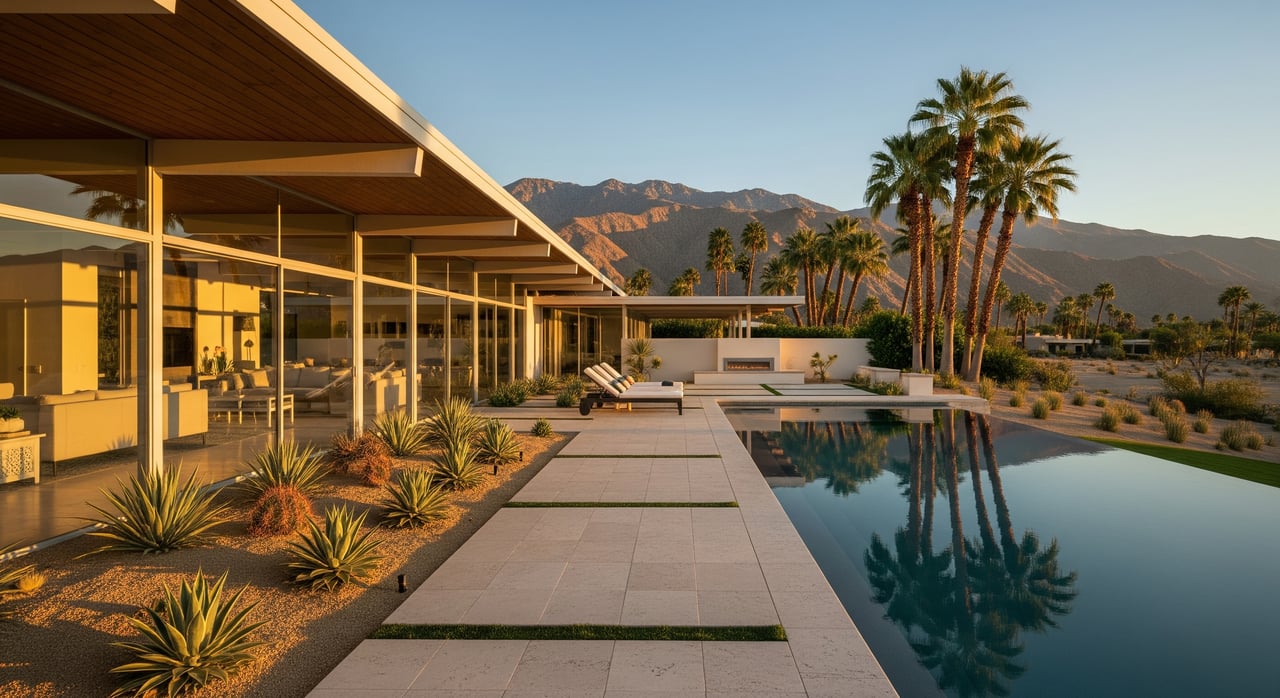
Timing the Rancho Mirage Buying Season for You
January 1, 2026
January 1, 2026
Wondering when Rancho Mirage is busiest for home buying? Here, the calendar runs a little differently. While many U.S. markets heat up in spring, Rancho Mirage often peaks in the winter when seasonal residents return to the desert. In this guide, you’ll learn how the local cycle works, when buyers face more competition, and how to time your move for the best results. Let’s dive in.
Rancho Mirage’s housing market is shaped by seasonal residents, often called snowbirds, who spend the fall and winter in the Coachella Valley. Buyer activity typically rises from November through April as these residents return. That means more showings, more second‑home shoppers, and faster movement on well‑priced listings during these months. This runs counter to the national “spring selling season,” so your timing strategy should fit local reality.
Seasonal buyers are physically in town from late fall into early spring, which concentrates demand. Many part‑time owners choose to list condos, resort properties, and golf‑adjacent homes to meet that wave. Well‑priced, turnkey listings can draw multiple offers and move quickly. If you plan to buy during winter, expect faster decisions and be ready to act.
From May through September, demand usually softens as seasonal residents head home. Days on market often stretch, and buyers may find more room to negotiate. Inventory can look different too, sometimes including estate sales or investor listings. If you value leverage over selection, this window can work in your favor.
You tend to see more new listings from October through February as sellers position properties for winter traffic. There is often a second pulse in spring from year‑round owners who prefer to avoid moving during the winter months. Timing your search around these waves can help you see the most relevant homes.
Condos, vacation‑oriented homes, and golf‑course estates are closely tied to snowbird demand. These properties usually move fastest when winter buyers are in town. Luxury single‑family homes in gated communities often follow this pattern even more closely. Off‑season months can bring more investor or value‑driven inventory.
Winter is also a busy season for vacation rentals. Some owners choose to rent rather than sell during these months, which can hold back listing supply. Others may bring rentals to market in the off‑season. This dynamic influences how much you will see on the market at different times of year.
During November through April, days on market often shorten for desirable listings, especially in mainstream segments and popular condo communities. Months of supply tends to tighten, and median prices can hold firm or tick up for marketable homes. Accurate pricing and strong presentation matter most during this window.
In late spring and summer, days on market typically lengthen and buyers may find more negotiating room. Sellers listing in this period should price with the season in mind and be ready for a longer marketing timeline. Thoughtful pricing and clear showing plans help maintain momentum.
If you want the widest selection of seasonal and resort inventory, plan a focused touring trip between November and March. Many listings go live then, and sellers are often available for in‑person showings. If you value leverage and can be patient, consider shopping in May through August when competition tends to ease.
In peak months, decision windows are shorter. Prepare a complete offer package with pre‑approval, proof of funds for reserves or down payment, and realistic inspection timelines. Communicate quickly and clearly to stay competitive.
Use the slower pace to your advantage. Ask for flexibility on price or credits, and offer timing accommodations that work for the seller, such as a later close or short rent‑back. You may find motivated sellers who value a clean, certain deal.
To reach seasonal buyers, list between October and January. This schedule gives you time for staging, photography, and pre‑market buzz before peak visits begin. For luxury properties and golf estates, aligning with November through March maximizes exposure to the most active buyer pool.
Seasonality can be most pronounced in luxury and golf‑community segments where buyers are highly seasonal. Areas near resort amenities and golf courses often see concentrated activity in winter. Entry‑level or non‑resort neighborhoods may have a steadier rhythm, though they still feel the broader cycle.
Seasonal sellers may have limited windows for showings and closings, so align inspections, appraisals, and loan milestones early. If you are buying from out of the area, use virtual tours and local inspectors who know desert‑specific features. A local escrow and a clear communication plan help keep your deal on track.
For the most up‑to‑date numbers on new listings, closed sales, median price, and days on market, review recent reports from CRMLS and local REALTOR associations serving the Coachella Valley. You can also reference county records for transaction volumes. Look at rolling 12‑month views or month‑by‑month trends over the last 24 months to see how winter and summer compare.
Ready to time your move with confidence? For a tailored plan, on‑the‑ground touring strategy, and a free home valuation, connect with Mike Read for concierge guidance in Rancho Mirage.
Stay up to date on the latest real estate trends.

Whether you are new to the desert market, contemplating selling your home, or are a savvy investor, The Read Group has the know-how, resources, and determination to get the job done successfully for you, Work with Read Group Real Estate now!