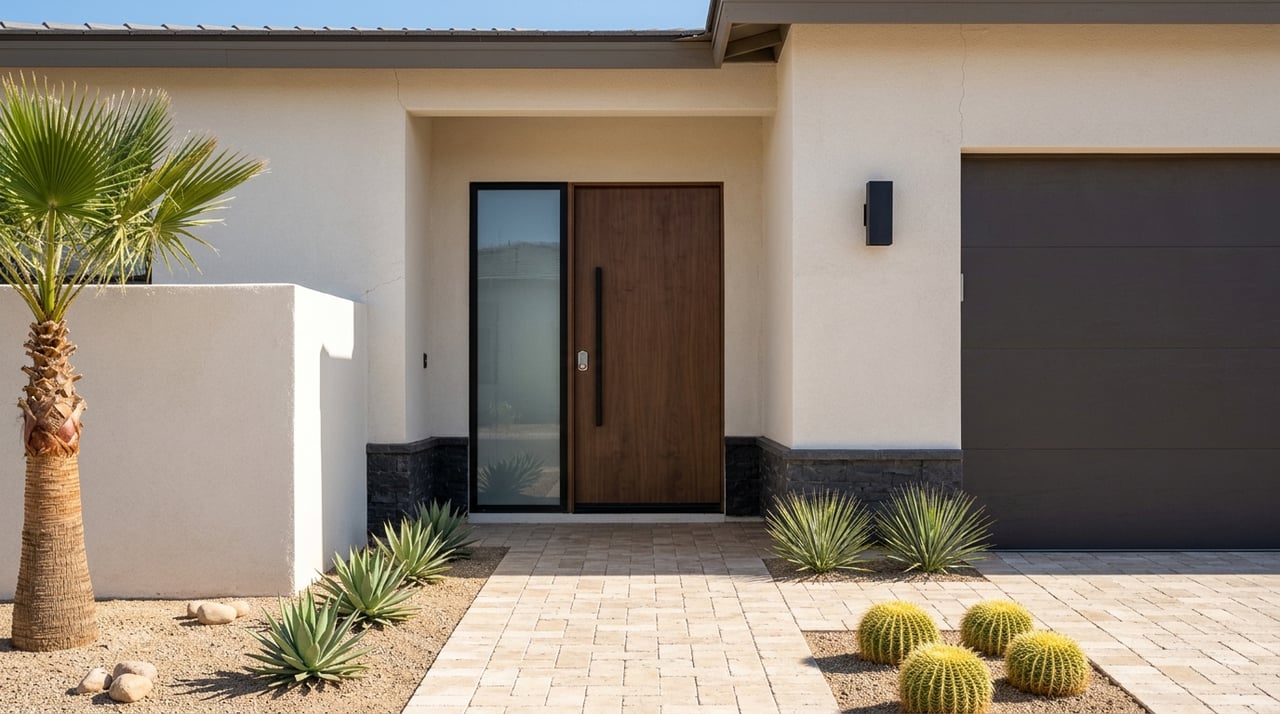
Comparing Indian Wells Lock and Leave Home Options
July 16, 2026
July 16, 2026
If you love the idea of desert living but do not want a long to-do list every time you travel, Indian Wells has real appeal. Many buyers come here looking for a home they can enjoy now and leave with confidence later, whether that means weekend getaways, seasonal living, or extended time away. The key is knowing that not every resort community handles maintenance, access, and amenities the same way. This guide will help you understand what lock-and-leave living can look like in Indian Wells and what to compare before you buy. Let’s dive in.
In Indian Wells, lock-and-leave living usually means you can leave for weeks or months without worrying as much about routine exterior tasks, gate access, landscaping, or day-to-day community oversight. That lifestyle fits the city especially well because Indian Wells is known for resort properties, golf, major events, and resident benefits tied to the Residence Benefit Card program.
Still, the label can be misleading if you only focus on the city name or the home style. Indian Wells includes both very small associations and much larger communities, with a mix of self-managed and professionally managed HOAs. In practice, that means two homes with a similar look can come with very different owner responsibilities.
A true lock-and-leave fit depends on more than curb appeal. You will want to know exactly who handles landscaping, exterior upkeep, irrigation, lighting, security, and access procedures before you decide a home is low maintenance.
In some Indian Wells communities, the HOA covers a broad set of services. In others, there may be layered governance through a master association, easement association, landscape district, or separate club structure. That is why reviewing the community setup is just as important as touring the property itself.
Some of the clearest leave-and-go options are found in private club settings. These communities often combine gated entry, shared amenities, and organized residential management in a way that supports seasonal or part-time ownership.
The Reserve is one of the strongest examples. The club describes a 24-hour staffed security gate, roving patrols, an on-property private post office, and HOA staff, along with home options that include Bungalows, Casitas, Villas, and Estates.
Desert Horizons is another major option in Indian Wells. According to club materials, it includes custom estate homes, single-family residences, and paired condos, along with neighborhood pools, a large clubhouse, a fitness and wellness center, and a courts pavilion.
A helpful detail for buyers comparing community feel is that Desert Horizons reports that 35% of homeowners live there year-round. If you are deciding between a more seasonal environment and one with steadier year-round activity, that kind of context can matter.
Not every low-maintenance option in Indian Wells is centered on a club. Some buyers prefer custom-home neighborhoods with strong HOA oversight and shared amenities, while still keeping a more residential feel.
Los Lagos is a good example. The community includes 89 custom homes across 35 acres, with extensive landscaping, ponds, waterways, four pools with spas, and tennis and pickleball courts.
At the same time, Los Lagos shows why buyers should read rules closely. The HOA requires approval for many visible exterior changes, even though standard roof replacement does not require HOA approval. That kind of structure may feel reassuring to one buyer and restrictive to another, so it is worth matching the rules to your lifestyle.
If your main goal is simplicity, condo-style and smaller-format homes may offer the most straightforward version of lock-and-leave living. These properties often reduce the amount of private outdoor space you need to manage and can shift more maintenance into the HOA structure.
Casa Dorado stands out here. The city identifies it as a 116-unit association, and city operating materials note that its landscape district is managed through the HOA contract, covering turf, shrubbery, trees, lighting, irrigation systems, and utilities.
Casa Dorado also carries a distinct architectural identity. The Indian Wells Preservation Foundation has recognized it as a historic mid-century modern community and clubhouse designed in 1964, which may appeal to buyers who want low maintenance with design character.
For buyers focused on age-qualified housing, the city’s Housing Authority highlights Indian Wells Villas and Mountain View Villas. These are senior affordable housing communities with age and income requirements, and they offer one-bedroom or one- to two-bedroom unit layouts for eligible residents.
Across Indian Wells, lock-and-leave options tend to cluster into a few practical home types. These include paired condos, villas or casitas, single-family homes with manageable outdoor space, and compact senior units.
That matters because the floor plan often shapes the ownership experience just as much as the HOA does. A home with less exterior area to maintain can be easier to leave for extended periods, especially when the community also covers shared landscaping and common-area upkeep.
When you compare communities, the better question is not just how much the dues cost. The better question is what those dues actually cover.
Depending on the community, dues and district structures may include landscaping, irrigation, lighting, utilities, pools, security, and some exterior maintenance. The bundle can vary widely, so it is worth asking for a line-by-line understanding rather than assuming one community works like another.
Here are some of the items you may want to confirm:
In Indian Wells, citywide resident perks can also influence the experience. The Residence Benefit Card program includes discounts at resorts, the BNP Paribas Open, resident events, and golf and tennis benefits, and the city also notes conveniences such as rear yard trash service.
This is one of the biggest points buyers can miss. In some Indian Wells communities, club membership may sit alongside homeownership rather than inside it.
Desert Horizons offers tiered golf memberships, social membership, and temporary guest privilege. The Reserve separates real estate and membership information as well, which is a useful signal that buyers should verify whether access is optional, required, or tied to a separate initiation and annual dues structure.
If your goal is simple ownership with occasional amenities, one setup may suit you better. If you want a fuller club lifestyle, a different fee structure might be well worth it.
For many buyers, the success of lock-and-leave living comes down to the details. Exterior change rules, guest access, parking procedures, and vendor entry can all affect how easy the home is to manage when you are away.
Los Lagos provides a clear local example. Its rules address approvals for visible alterations such as exterior lighting, glass tinting, rain gutters, patio covers, antennas, and other changes, and it also has a separate parking-permit process with guest parking pass rules and a 72-hour threshold for street parking.
None of that is necessarily a problem. It simply means the most comfortable community is usually the one whose rules match how you actually plan to use the property.
A beautifully maintained gate or clubhouse is easy to notice during a showing. What is harder to see right away is how responsive the management structure will be after closing.
In Indian Wells, some communities are self-managed and others work with outside management firms. For a seasonal owner, that difference can be important because you may want to know who handles emergencies, coordinates access, and responds when an issue comes up while you are out of town.
This is especially relevant if you travel often or live elsewhere for part of the year. A lock-and-leave home should feel easy not only when you arrive, but also when you are away.
Because Indian Wells communities can include HOA layers, club dues, landscape districts, and community-specific rules, it helps to compare the same set of questions each time.
Use this checklist as a starting point:
The best lock-and-leave property in Indian Wells is usually not the one with the flashiest amenity list. It is the one where the maintenance scope, access rules, and fee structure line up with how you really plan to live.
If you want help comparing Indian Wells resort communities, condo options, or custom-home neighborhoods, Mike Read can help you narrow the choices and find a property that fits your travel pattern, priorities, and lifestyle goals.
Stay up to date on the latest real estate trends.

Whether you are new to the desert market, contemplating selling your home, or are a savvy investor, The Read Group has the know-how, resources, and determination to get the job done successfully for you, Work with Read Group Real Estate now!