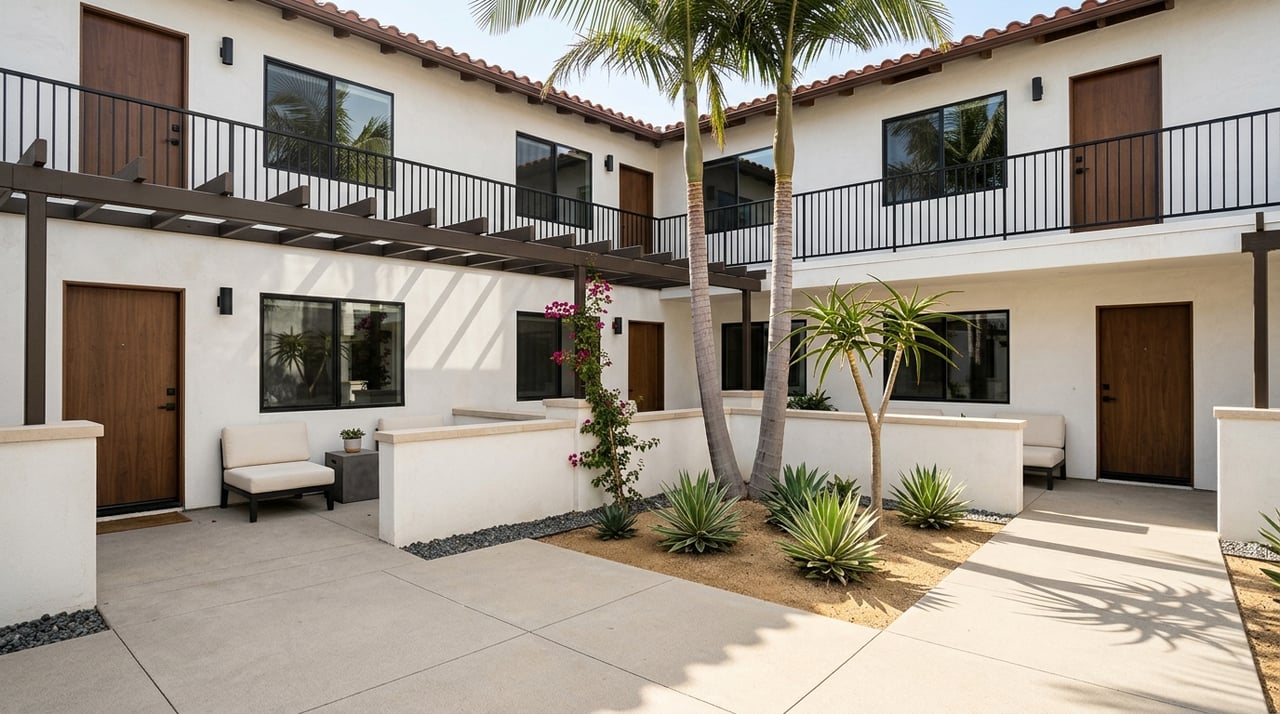
Palm Springs Condo vs House: How to Choose
July 9, 2026
July 9, 2026
Wondering whether a Palm Springs condo or a detached home makes more sense for your next move? It is a common question here, especially in a market shaped by second-home ownership, seasonal living, and a wide range of price points. If you are weighing cost, maintenance, privacy, or rental flexibility, this guide will help you compare the trade-offs and choose the property type that fits your plans. Let’s dive in.
Palm Springs gives you more than one clear housing path. According to SCAG’s local profile, the city’s housing stock includes 37.7% single-family detached homes, 23.7% single-family attached homes, 8.2% 2 to 4 unit multifamily, 24.4% 5+ unit multifamily, and 6.0% mobile homes.
That mix matters when you start your search. You are not choosing between a rare condo and a typical house. You are choosing within a market where both attached and detached living are meaningful parts of the housing landscape.
Palm Springs also has a notable share of homes that were built decades ago. SCAG reports that 33.6% of the housing stock was built before 1970, which can shape your maintenance expectations, renovation plans, and comfort level with older construction.
For many buyers, the condo-versus-home decision starts with budget. Current market figures in the research show a median sale price of about $1,074,454 for single-family homes in Palm Springs, compared with about $459,826 for condo and co-op properties.
That is a major gap. Based on that snapshot, condo and co-op median sale prices are about 57% below single-family homes, making condos the more accessible entry point for many buyers.
The same research also notes 327 condos for sale at a median listing price of $395,000. If your goal is to get into Palm Springs at a lower price point, a condo may open doors that a detached home does not.
A condo can make sense if you want a simpler ownership experience. In a common-interest development, the homeowners association is generally responsible for maintaining common areas, while you are responsible for your separate interest.
In practical terms, that can mean fewer direct exterior maintenance chores for you. If you want Palm Springs living without taking on every roof, landscape, or exterior repair question yourself, that structure may feel more manageable.
Condos can also be a strong fit for buyers who spend only part of the year in the desert. Palm Springs has a meaningful vacancy share in its housing stock, which suggests the city includes substantial seasonal and second-home use, not just full-time occupancy.
Lower maintenance does not mean no maintenance costs. The California Department of Real Estate notes that HOA dues and assessments can increase over time, and buyers still need to budget carefully.
That is why low monthly dues should not automatically be read as a bargain. The same DRE guidance warns that if enough owners fall behind on assessments, association finances can weaken, which may reduce services or lead to higher assessments for owners who are current.
You also need to remember that HOA membership is automatic when you buy in a common-interest development. That applies not only to many condos, but sometimes to townhomes or even detached homes within planned communities.
If privacy and control are high on your list, a detached home often has the edge. A house usually gives you more direct control over your lot, your outdoor space, and how you use the exterior areas day to day.
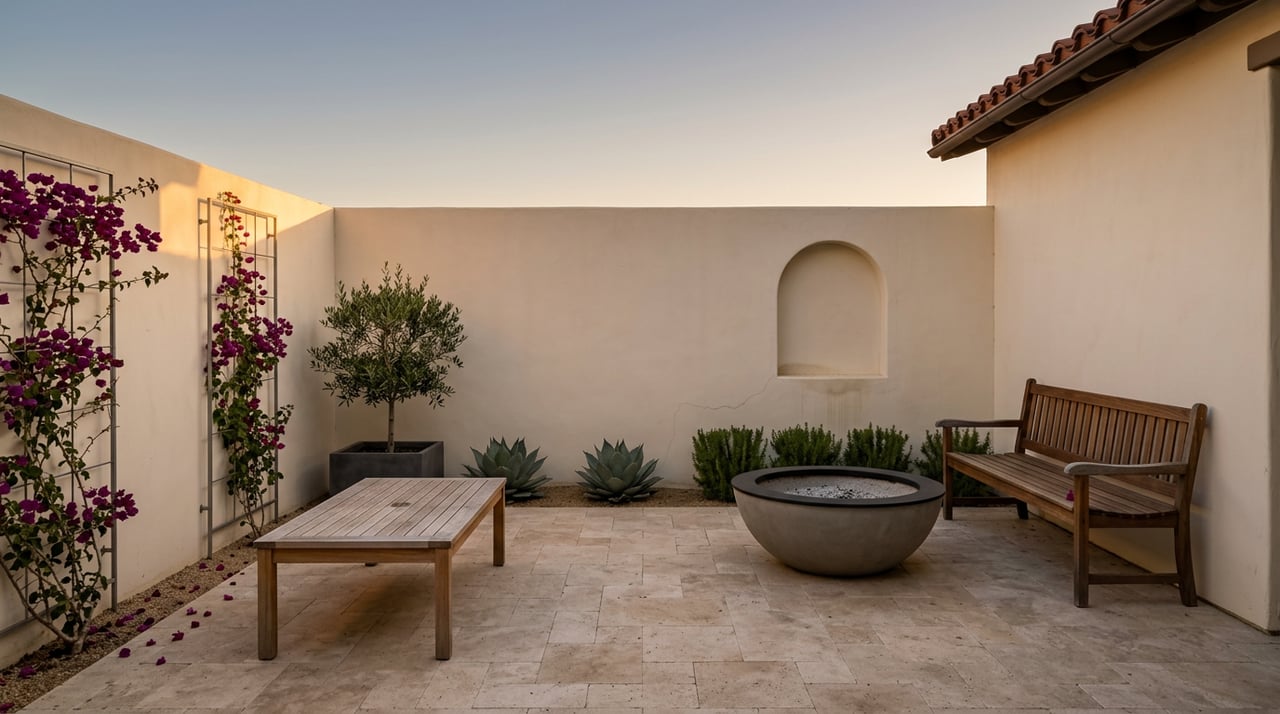
That can be especially appealing in Palm Springs, where outdoor living is part of the draw. If you picture private entertaining, pool time, landscaping choices, or customizing the property over time, a detached home may better match that vision.
Detached homes can also appeal to buyers who want fewer shared-space rules. In a condo setting, patios, balconies, driveways, or parking areas may be classified as exclusive-use common area, which can still work well but usually comes with a more structured ownership framework.
The real decision is often less about square footage and more about responsibility. With a condo, more of the shared upkeep is handled through the HOA structure. With a detached home, you usually have more direct responsibility for exterior care and repairs, unless the home is also in an HOA-governed community.
That difference becomes more important in a city with a sizable older housing stock. Because many Palm Springs properties were built before 1970, some buyers prefer the simpler exterior-maintenance profile a condo may offer, while others are happy to trade more upkeep for more autonomy.
Neither choice is automatically better. The better fit depends on whether you value convenience or control more in your day-to-day ownership experience.
Palm Springs buyers often care deeply about how a home lives outside, not just inside. That is one reason the condo-versus-home choice can feel especially personal here.
A condo may still offer pleasant outdoor living through patios or balconies, but those spaces are often shaped by HOA rules and shared ownership structures. A detached home usually gives you more independence over exterior design, landscaping, and use of your private lot.
If your ideal Palm Springs lifestyle centers on privacy, entertaining, or making more personalized exterior changes, a house may be the stronger match. If you are comfortable with shared frameworks and want less direct upkeep, a condo may still check the right boxes.
If seasonal use or rental income is part of your plan, Palm Springs has an important local rule set you need to understand. The city states that vacation rentals and homesharing are secondary uses allowed only in single-family dwelling units and prohibited in apartments and multifamily units.
That means rental strategy should not be an afterthought. If you are considering a condo with short-term rental goals, you need to verify both the project documents and city rules very carefully because the city’s framework places meaningful limits on use.
For single-family properties, city approval is still not automatic. The city’s vacation rental rules include certificate requirements, operating rules, neighborhood concentration limits, and contract limits for permittees.
Even when a property seems eligible under city rules, HOA rules can still affect your options. The city notes that if a property is in an HOA, you need a letter confirming that the CC&Rs allow the use.
This is one of the biggest reasons buyers should compare condos and homes based on intended use, not just price. A lower-priced condo may look appealing at first, but if your long-term plan depends on flexibility, the governing documents become just as important as the purchase price.
For many buyers, this is where local guidance adds real value. Reviewing use restrictions, HOA terms, and city requirements early can help you avoid pursuing a property that does not match your goals.
If you are still choosing between a condo and a home in Palm Springs, it helps to frame the decision around your priorities.
There is no one-size-fits-all answer in Palm Springs. A condo can be the right move if you want a lower purchase price and a more managed ownership structure. A detached home can be the better fit if you want privacy, outdoor control, and broader flexibility.
The key is matching the property type to how you actually plan to live. When you line up your budget, maintenance comfort, lifestyle goals, and rental plans, the right option usually becomes much clearer.
If you want help comparing Palm Springs condos and homes in a way that fits your budget and goals, Mike Read can guide you with local insight and concierge-level support.
Stay up to date on the latest real estate trends.

Whether you are new to the desert market, contemplating selling your home, or are a savvy investor, The Read Group has the know-how, resources, and determination to get the job done successfully for you, Work with Read Group Real Estate now!