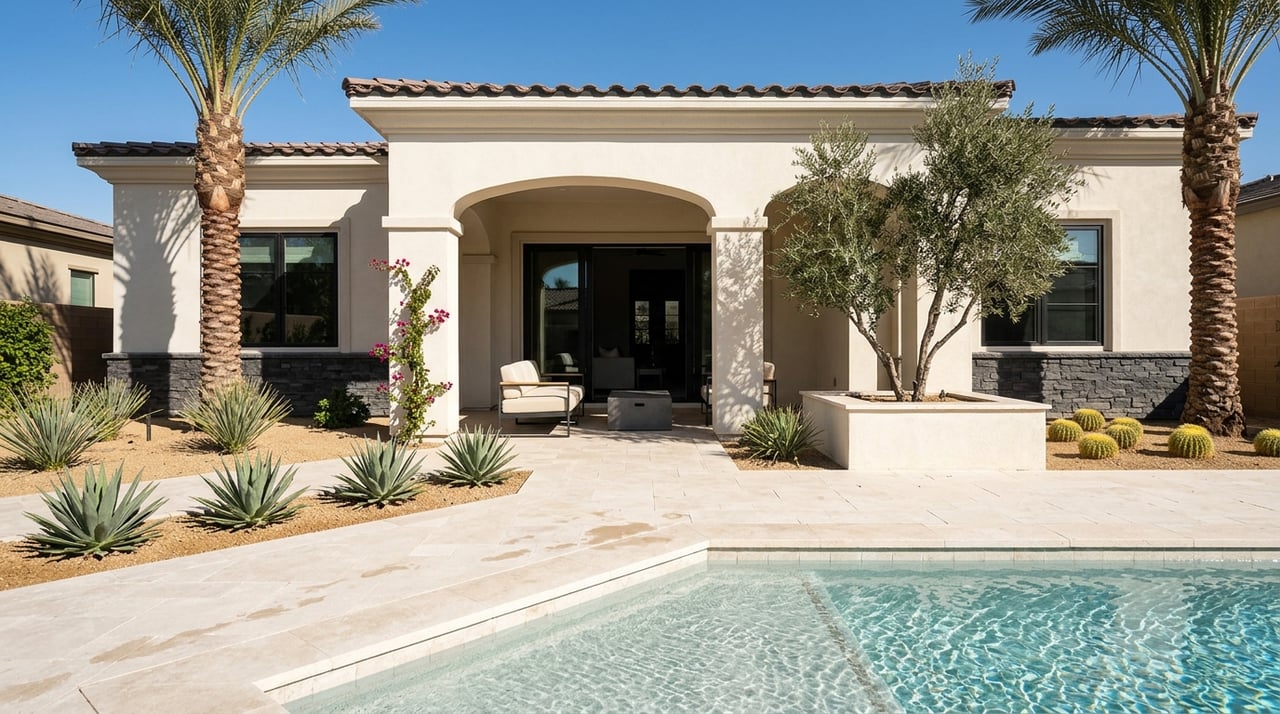
Best Palm Springs Neighborhoods for Second Home Buyers
July 2, 2026
July 2, 2026
Palm Springs is not a one-note second-home market. If you are picturing one perfect desert neighborhood for every buyer, you may miss what really makes this city work: choice. From walkable blocks near downtown to architecture-rich midcentury enclaves and quieter mountain-base areas, Palm Springs gives you different ways to use a second home. This guide will help you match your lifestyle, priorities, and ownership plans to the right part of the city. Let’s dive in.
Palm Springs has long appealed to seasonal owners, and the city’s own planning documents reflect that pattern. The city’s 2021 to 2029 Housing Element lists a year-round population of 47,427 in 2020, with local estimates rising to nearly 75,000 in winter. It also notes that many seasonal residents use second homes, resort condominiums, or timeshares.
That seasonal rhythm shapes the whole experience of owning here. Winters are mild, while summer temperatures from June through October can reach 100 degrees and beyond. If you want a place that shines in the cooler months and still offers a strong sense of place all year, Palm Springs stands out.
Palm Springs also feels easy to plug into as a part-time owner. The city has 52 recognized neighborhood organizations, and Palm Springs International Airport is the region’s only commercial airport. For many buyers coming from outside the area, that mix of access and neighborhood identity is a big part of the appeal.
The smartest way to shop for a second home in Palm Springs is to think in terms of lifestyle tradeoffs, not just price or square footage. Some neighborhoods put you close to downtown dining and nightlife. Others lean into architecture, privacy, golf, or mountain views.
The city’s planning materials make clear that neighborhood differences here are real. Established areas vary in lot patterns, landscaping, building heights, and housing mix. That means your day-to-day experience can feel very different from one neighborhood to the next.
If you want to be close to downtown activity, Historic Tennis Club is one of the clearest fits. The city describes it as Palm Springs’ oldest neighborhood, with an eclectic mix of older historic homes and small boutique hotels. It sits close to the mountains and near restaurants, inns, and the social life of the village.
This area tends to suit buyers who want a more urban-resort feel. Streets are walkable, and the neighborhood often lacks curbs, gutters, or sidewalks, which adds to its older character. If your ideal second home includes easy evenings out and a central location, this is a strong place to start.
Old Las Palmas offers a different version of central Palm Springs. The city says it dates to the mid-1920s and identifies it as Palm Springs’ first and oldest neighborhood. The area is known for meandering roads, one-story homes, and yards screened by walls, gates, and hedges.
For second-home buyers, that usually means more privacy and a more estate-like setting. You still have good proximity to the Uptown and downtown areas, but the atmosphere is quieter and more tucked away. If you want classic Palm Springs character with a more secluded feel, Old Las Palmas deserves a close look.
Movie Colony and Movie Colony East also belong in the central-luxury conversation. The city describes Movie Colony as an area of older historic homes on larger lots that are highly landscaped and usually walled. City materials for Movie Colony East also highlight notable architectural and Hollywood ties.
For buyers, the appeal is a mix of location, history, and design pedigree. These neighborhoods can feel especially compelling if you want a central address with strong Palm Springs identity. They are often a fit for buyers who value architecture and legacy as much as convenience.
Vista Las Palmas is one of the strongest choices if architecture is driving your search. The city describes it as an upscale Alexander-style home neighborhood with a grid of streets, cul-de-sacs, and open front yards. The neighborhood spotlight also notes that the Alexander Construction Company built more than 1,200 homes there in Southern California Modern style.
You will also see references to Palmer and Krisel, Charles Dubois, butterfly roofs, and Swiss Miss A-frames. In practical terms, this is a neighborhood for buyers who want a recognizable Palm Springs modernist address. If curb appeal and architectural identity matter to you, Vista Las Palmas is hard to ignore.
Twin Palms is another important stop for midcentury buyers. City materials identify Twin Palms Estates as the first Alexander Construction Company residential development in Palm Springs. Modernism Week programming has also highlighted its butterfly-roof exteriors as part of the city’s early midcentury story.
That gives Twin Palms a clear design-forward identity. If you want a second home that feels unmistakably tied to Palm Springs modernism, this neighborhood checks that box. It can be especially appealing if you want style and historical relevance in one package.
The broader Racquet Club area, including Racquet Club West, has strong resort history and second-home roots. City neighborhood spotlights note connections to Hollywood activity, Spanish casas, villas, and homes by Don Wexler and the Alexanders. Racquet Club South materials also say Alexander homes on Racquet Club Road provided second homes for part-time visitors and snowbirds.
For today’s buyer, that points to a neighborhood with real Palm Springs credentials and a seasonal, resort-oriented vibe. It may suit you if you want midcentury appeal without needing to be right in the most walkable downtown core. It is a useful option for buyers who value design but want a different pace.
Deepwell Estates offers a more residential rhythm than many downtown-adjacent areas. The city describes it as mostly one-story homes on roughly quarter-acre lots with open yards and very little on-street parking. Neighborhood materials also mention architectural variety, drought-tolerant landscaping, bicyclists, dog walkers, and annual events.
This is often a strong fit if you want a classic Palm Springs setting with a quieter day-to-day feel. You still get a well-known neighborhood identity, but the atmosphere is more neighborhood-forward than nightlife-focused. For many second-home buyers, that balance feels just right.
Tahquitz River Estates has a more mixed housing profile. The city describes a blend of single-family residences, apartments, condominiums, small hotels, and commercial uses, along with eclectic landscaping and an emphasis on mountain views and property standards.
That mix can appeal to buyers who want a central-south location with more flexibility in housing type. It does not read as purely residential in the way some classic enclaves do. Instead, it offers convenience and variety, which may be helpful if you are open to different property styles.
If your second-home vision centers on views, golf, and outdoor access, Indian Canyons and the nearby mountain-base corridor are worth serious attention. The city describes Indian Canyons as having refurbished 1960s homes, a golf-course setting, palm-lined streets, and strong mountain views. It also notes that mountain-base neighborhoods are shaped by topography, scenic views, and access to mountains and creeks.
This part of Palm Springs offers a different kind of lifestyle than the downtown core. It can feel more tied to the landscape, with a stronger emphasis on scenery and recreation. Buyers who want a home base for hiking, golf, and desert views often focus here.
Andreas Hills is one of the city-recognized neighborhood organizations and is helpful to think about as part of the broader mountain-adjacent lifestyle zone. While each property can vary, this area fits the general appeal of being close to dramatic topography and outdoor amenities.
For many second-home buyers, that means a calmer setting with easy access to Palm Springs highlights. Indian Canyons, Tahquitz Canyon, and the Palm Springs Aerial Tramway are all major draw areas in the city. If you want your time here to revolve around the landscape as much as the social scene, this zone is especially compelling.
Palm Springs is not only about the house itself. For many second-home buyers, the ability to step into the city’s social core is part of the value. Visit Greater Palm Springs describes Palm Canyon Drive as the center of downtown restaurants and bars, and the city says VillageFest takes place every Thursday night on Palm Canyon Drive between Baristo and Amado.
That is one reason downtown-adjacent neighborhoods keep showing up on second-home shortlists. If you picture regular dinners out, late shopping hours, galleries, and an easy in-town feel, central neighborhoods may line up best with how you will actually use the home. That lifestyle test is often more useful than any broad ranking.
Vacation-rental rules are one of the biggest practical issues for second-home buyers in Palm Springs. The city says vacation rentals and homesharing are only ancillary and secondary uses of residential property, are limited to single-family dwelling units, and are prohibited in apartments. The city also applies neighborhood percentage caps and contract limits.
If the property is in an HOA, the city requires a letter from the HOA on official letterhead. Just as important, registered vacation-rental density varies meaningfully by neighborhood. As of April 30, 2026, the city’s table showed registered vacation-rental percentages ranging from 0.98% in Canyon Corridor to 33.33% in Racquet Club Estates.
Among well-known second-home areas, Old Las Palmas was 9.62%, Deepwell Estates 11.73%, Indian Canyons 10.24%, and Movie Colony East 19.65%. If rental use is part of your plan, even occasionally, you should compare neighborhoods carefully before you commit.
Palm Springs has design oversight that can affect future plans for a property. The city says that when a building is classified for protection, exterior changes are reviewed by the Historic Site Preservation Board. Homes on hillside lots or on major thoroughfares such as Sunrise Way or Vista Chino are also reviewed for exterior design and landscaping through architecture review.
That matters if you are already thinking about additions, a new pool, fencing, or major exterior changes. It is smart to ask about historic status, hillside conditions, and any review requirements early in the process. A beautiful house can come with rules you will want to understand before closing.
Second-home ownership here also comes with practical maintenance planning. The city notes that many seasonal residents occupy homes in winter, while the tourism bureau points out that summer temperatures can be extreme. If the home will sit empty for part of the year, you will want a clear plan for upkeep.
Palm Springs also enforces property-maintenance standards. In addition, noise rules apply to vacation rentals, including a requirement that amplified sound must remain within the unit and not be audible at the property line. Even if you are buying primarily for personal use, these rules can shape how a neighborhood feels.
If you are drawn to hillside, canyon, or wash-adjacent property, pay close attention to topography and drainage. The city says Palm Springs is especially prone to flooding because of runoff from the surrounding mountains. It also notes that some areas are in or near special flood hazard areas.
This does not mean you should avoid mountain-base areas. It simply means you should evaluate the property carefully and understand site-specific conditions. In a city where views and topography are part of the attraction, that extra due diligence matters.
If you are still deciding where to focus, start by asking how you will use the home most often. If you want to walk to dining and events, begin with Historic Tennis Club, Old Las Palmas, Vista Las Palmas, or the Movie Colony area. If architecture is the priority, look closely at Vista Las Palmas, Twin Palms, and the Racquet Club area.
If you want a quieter residential feel, Deepwell Estates may be a better fit. If views, golf, and outdoor access are driving your search, Indian Canyons and nearby mountain-base areas deserve a closer look. In Palm Springs, the right neighborhood is usually the one that best matches your real routine, not just your wish list.
Finding the right second home here takes more than scrolling listings. You need a clear read on neighborhood character, ownership rules, and how each area fits the way you want to live in Palm Springs. If you want local guidance tailored to your goals, connect with Mike Read for a personalized neighborhood strategy.
Stay up to date on the latest real estate trends.

Whether you are new to the desert market, contemplating selling your home, or are a savvy investor, The Read Group has the know-how, resources, and determination to get the job done successfully for you, Work with Read Group Real Estate now!